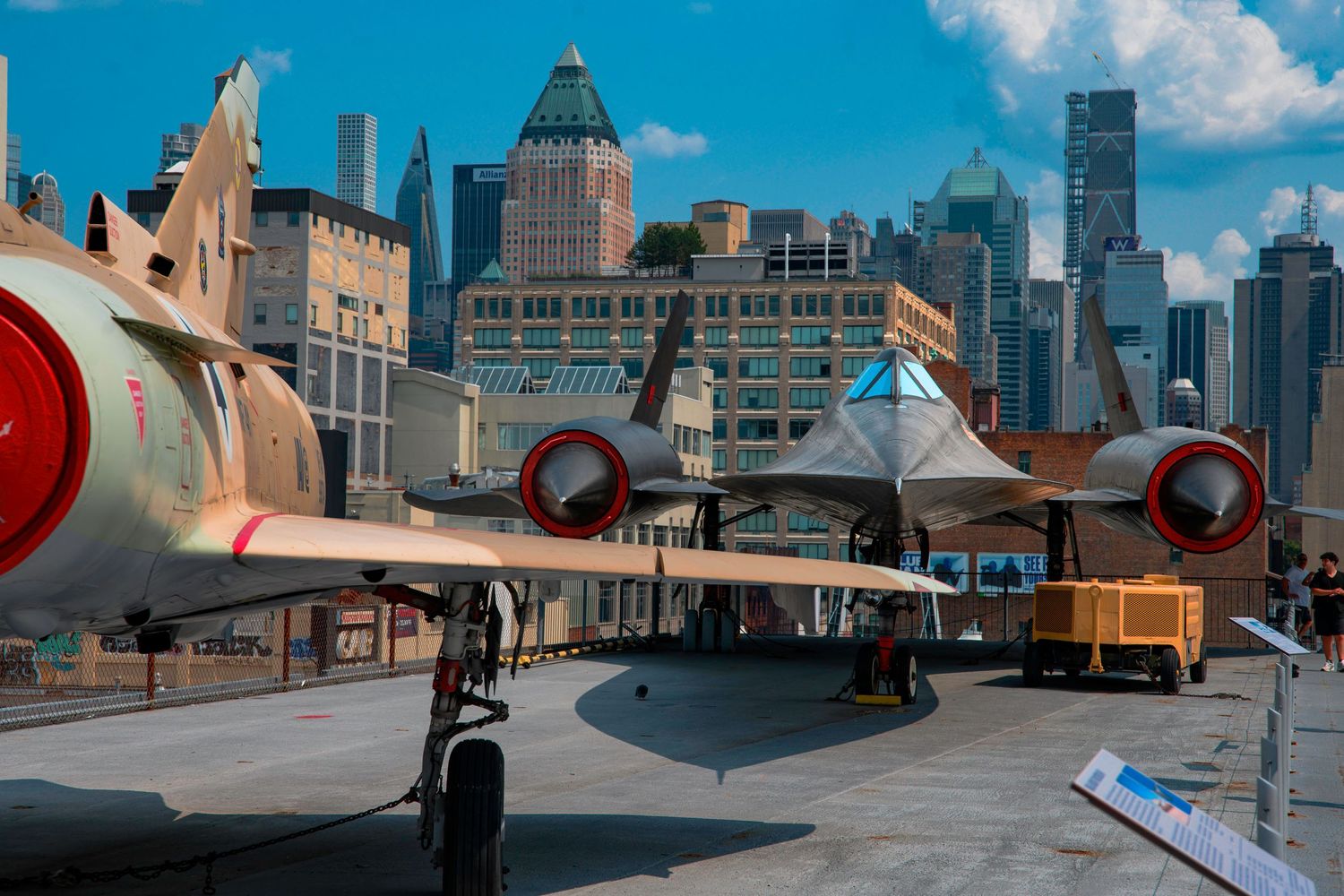
Intrepid Museum Through a Photographer's Lens
Ever since I moved to New York, the Intrepid Museum has been calling my name—especially that intriguing black plane I would catch a glimpse of every time I passed by. So, I finally decided to visit and see what all the fuss was about. With National Aviation Day just around the corner, I figured there was no better time. Armed with my camera, I bought two tickets and set out for an adventure.
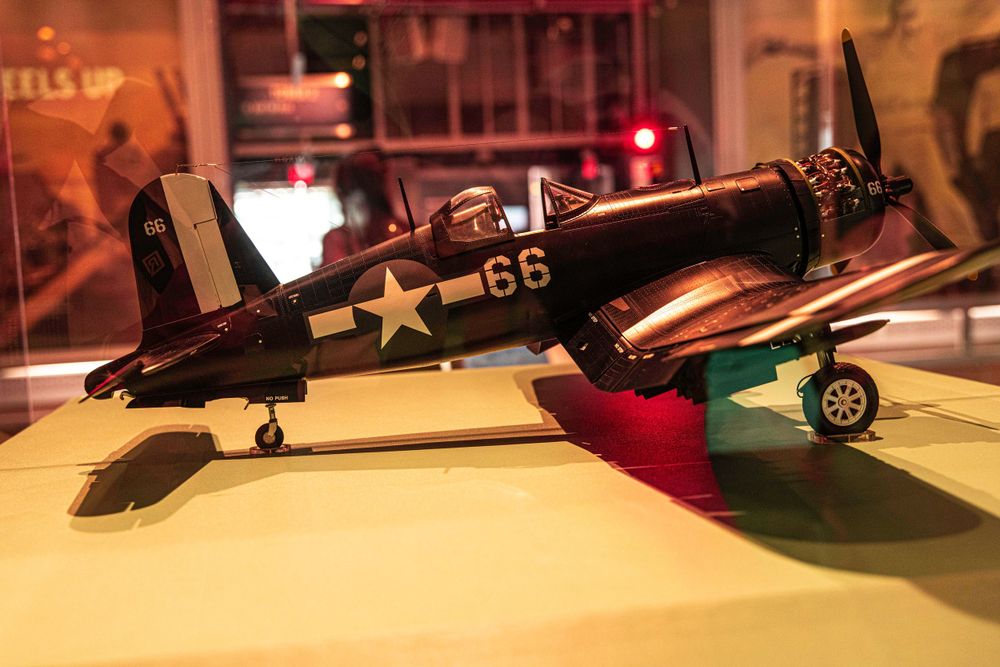
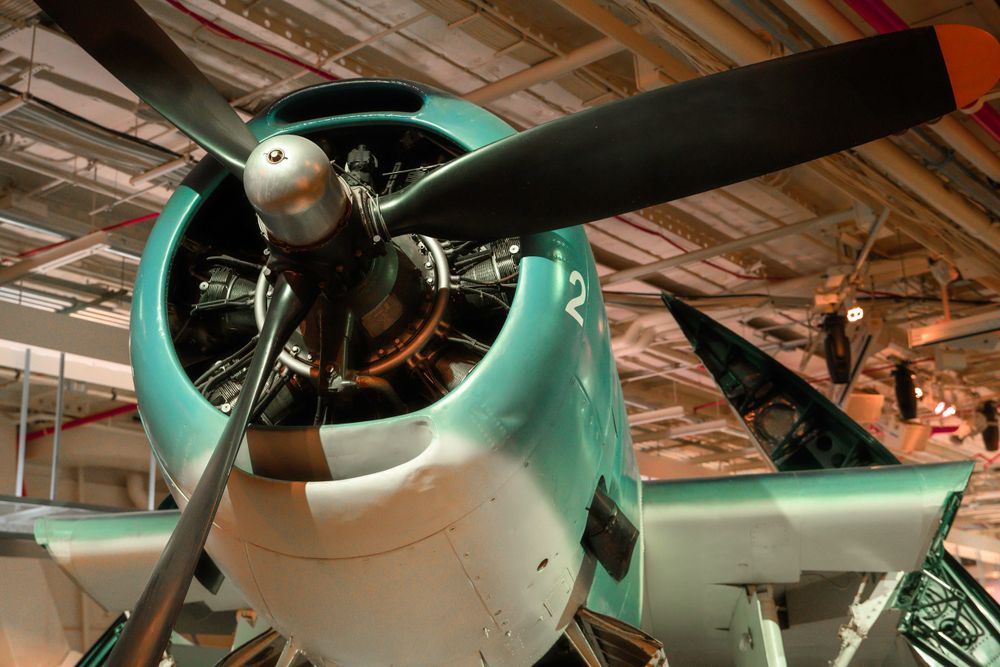
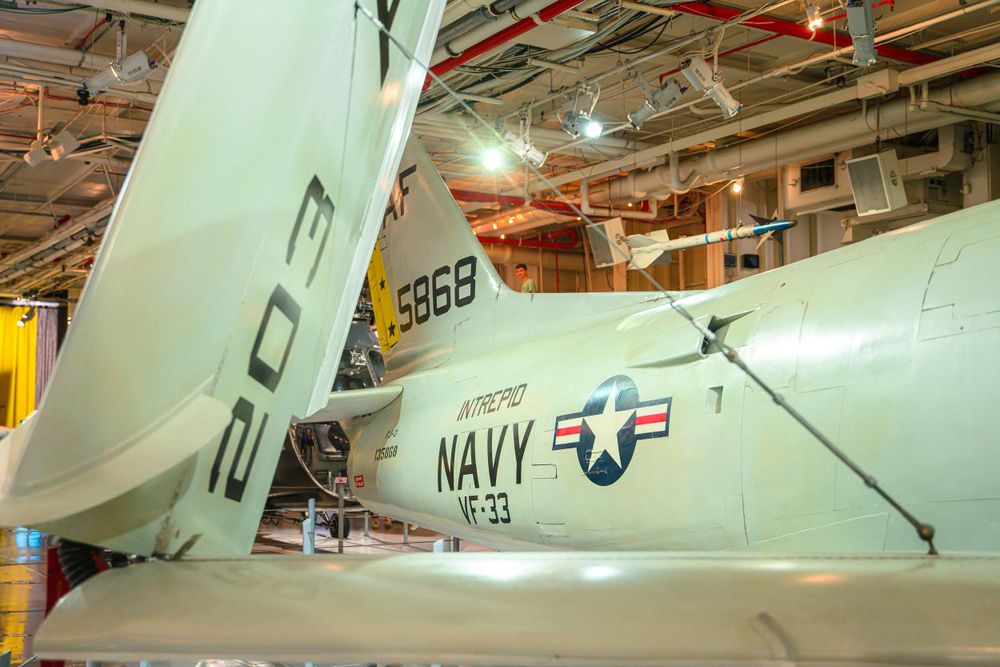
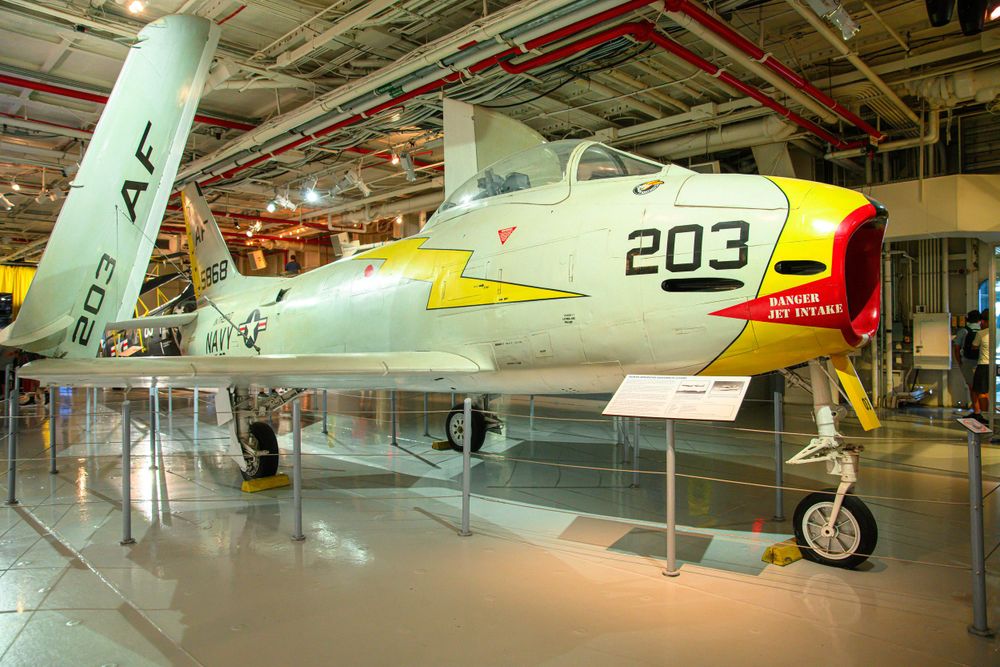
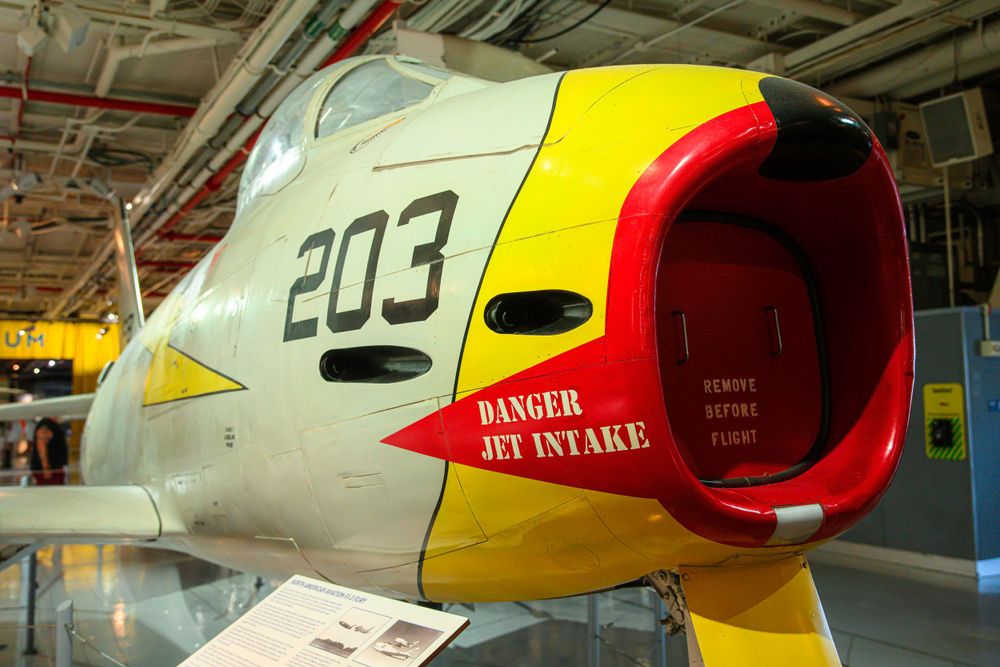
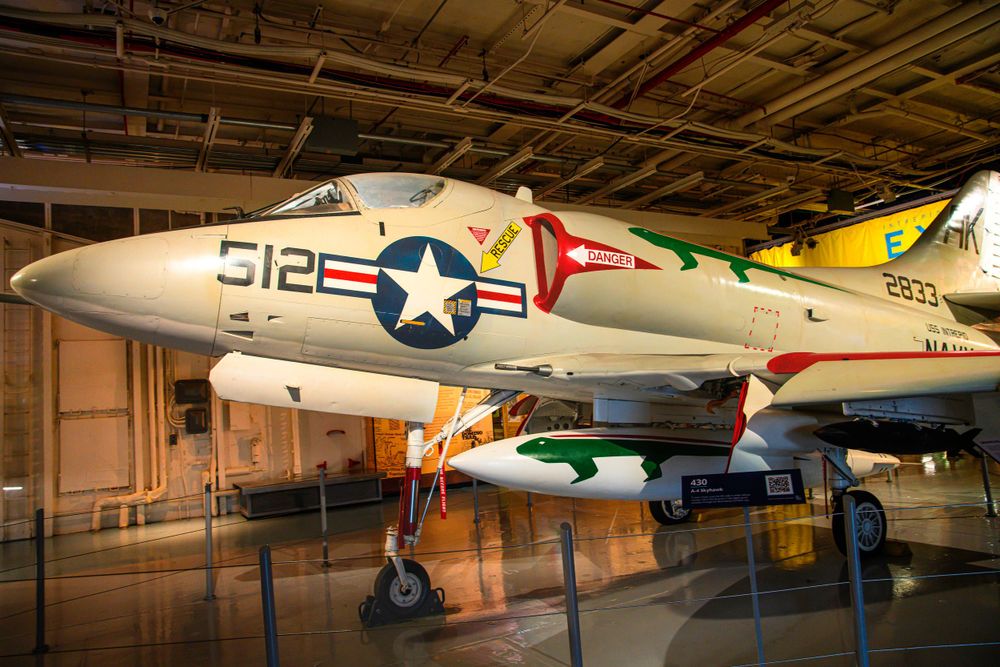
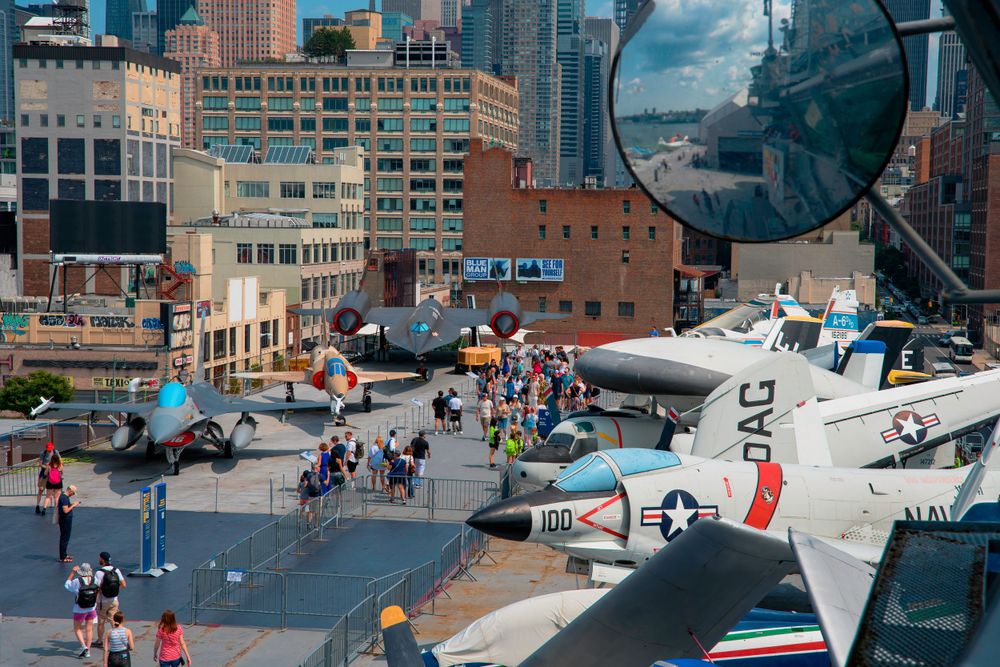
From the moment I stepped into the museum, I was captivated. The collection of Navy planes on display was nothing short of awe-inspiring. Among them were some standout aircraft, like the F-14 Tomcat, F-4 Phantom II, and the A-12 Blackbird—the plane that first caught my eye. Seeing these machines up close, with their bold designs and intricate details, was an absolute thrill. I couldn’t stop snapping photos; every angle seemed to tell a different story, and I wanted to capture it all.
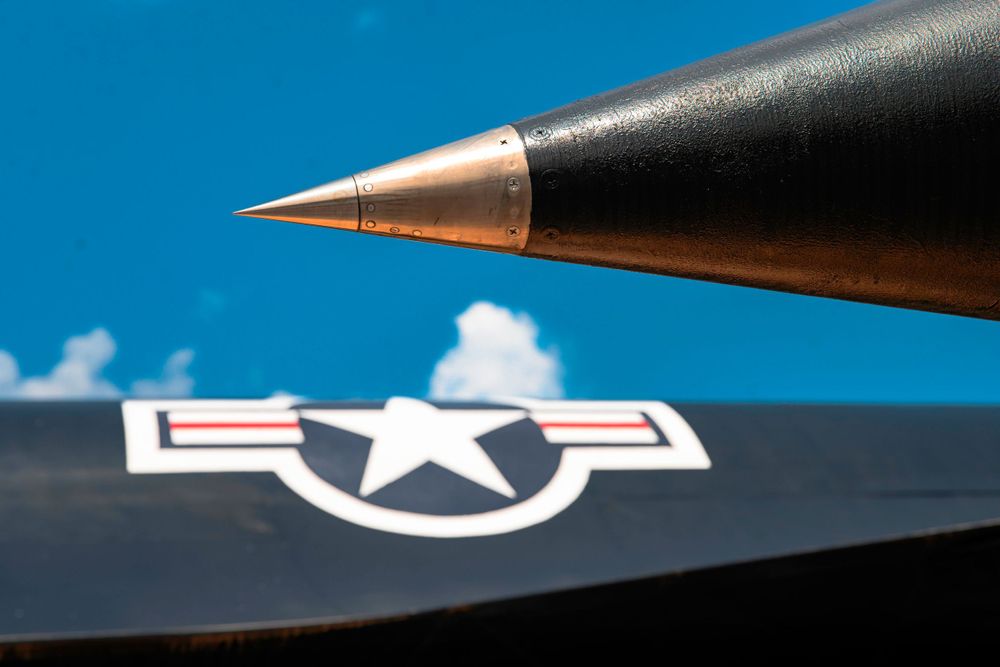
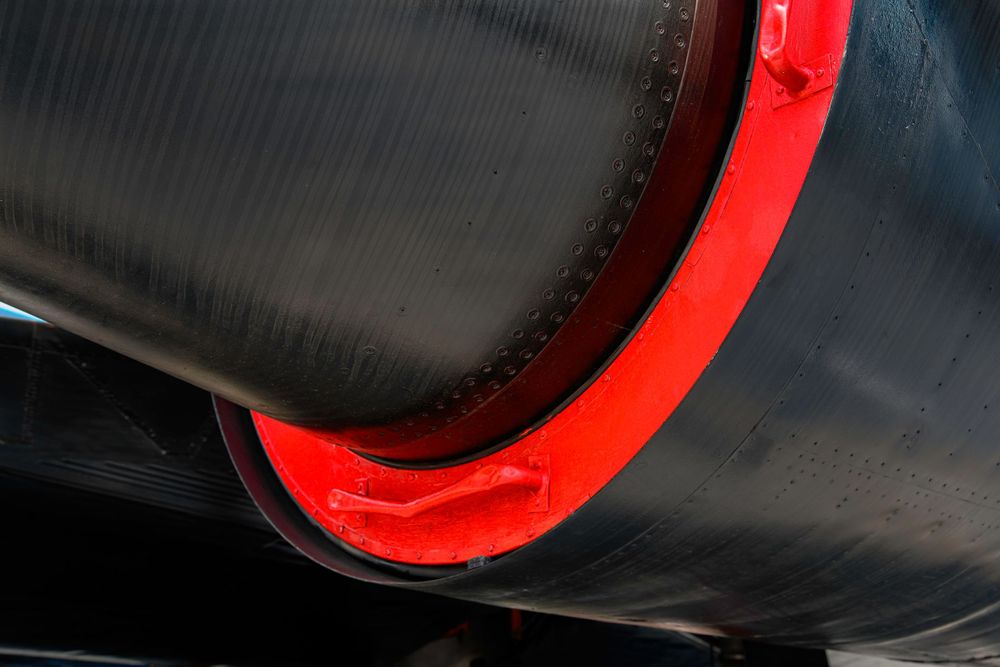
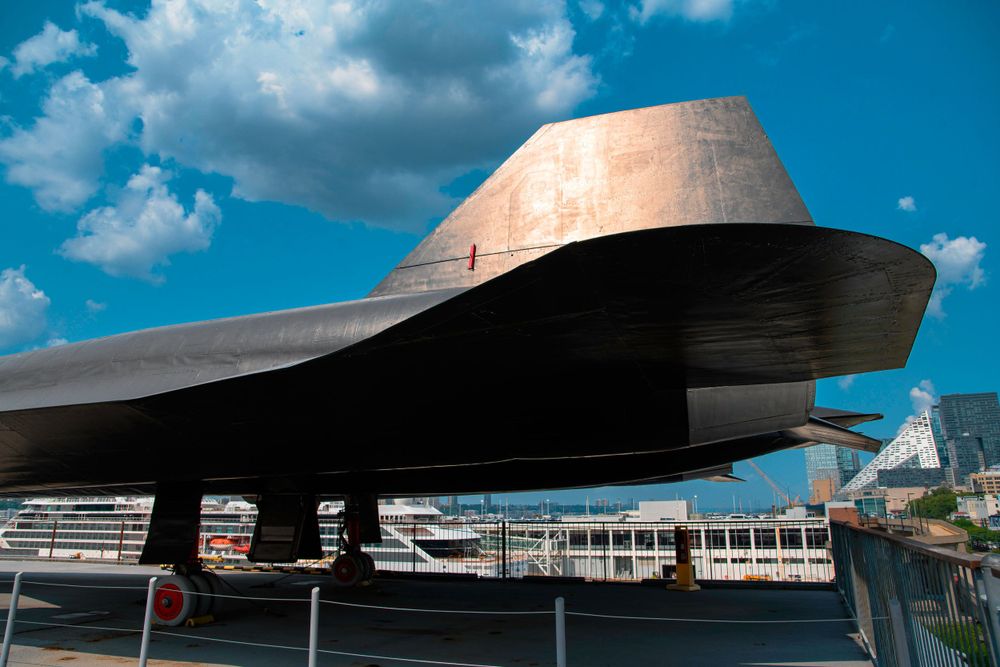
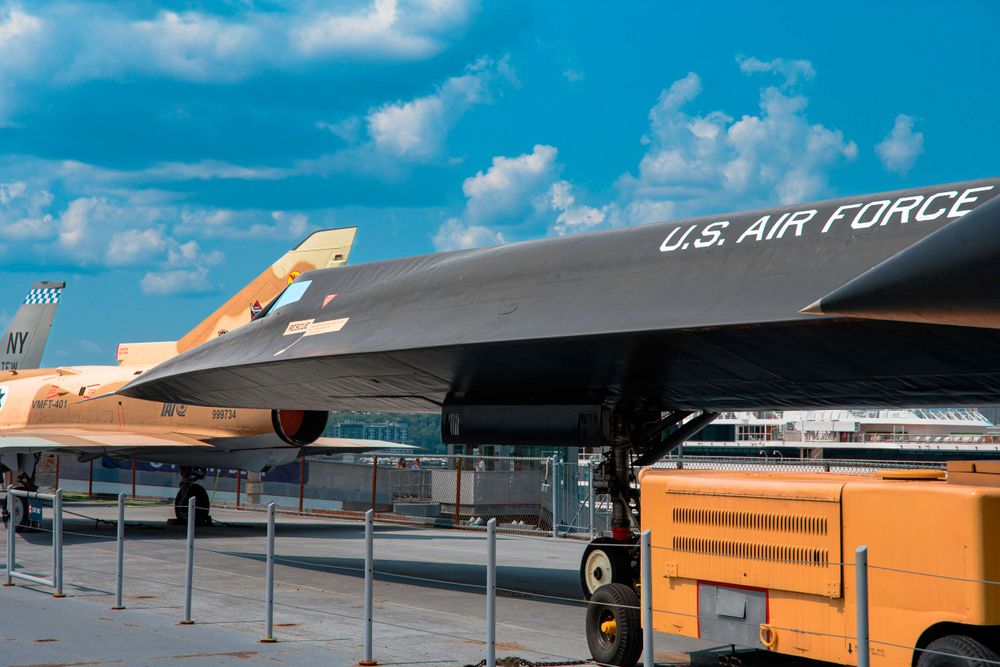
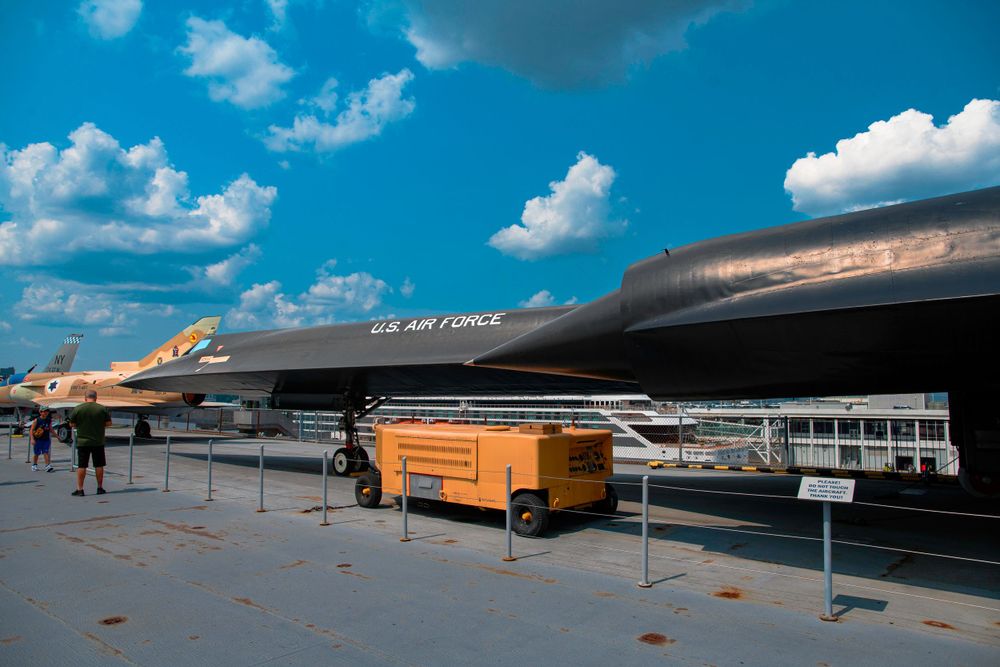
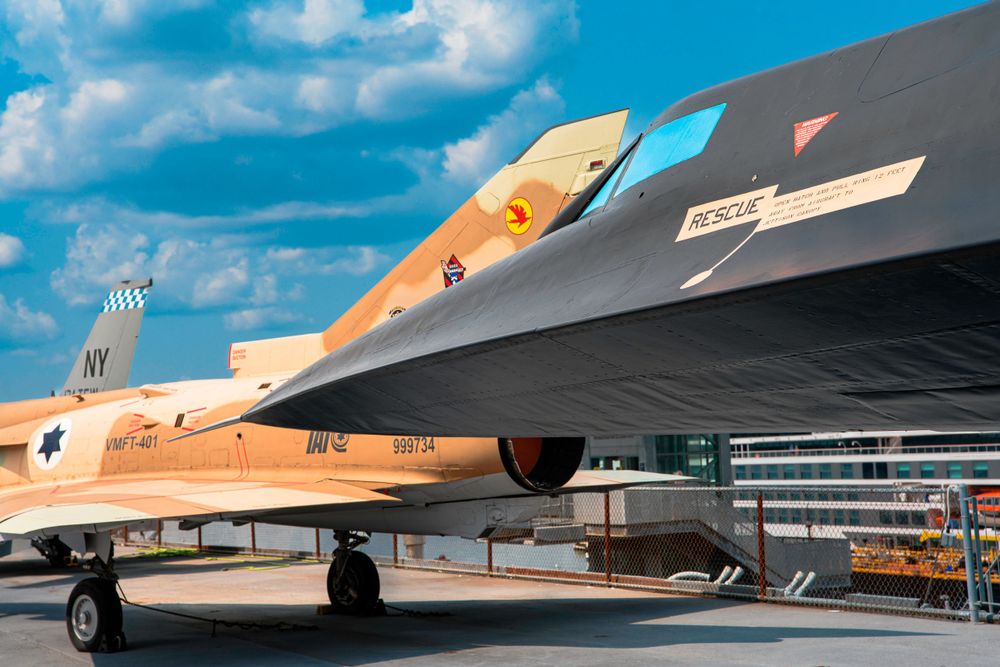
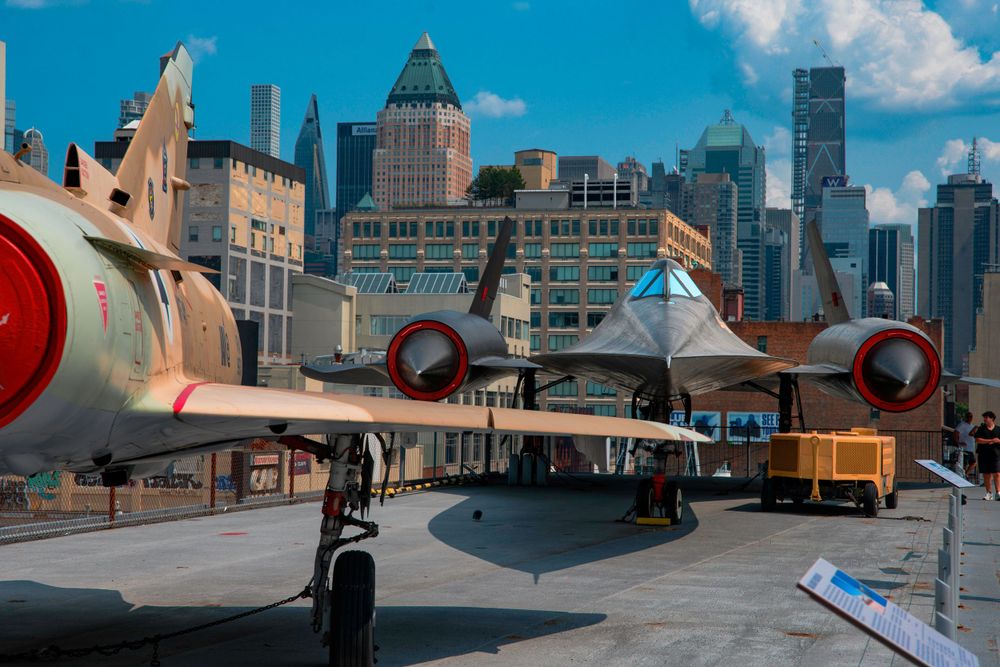
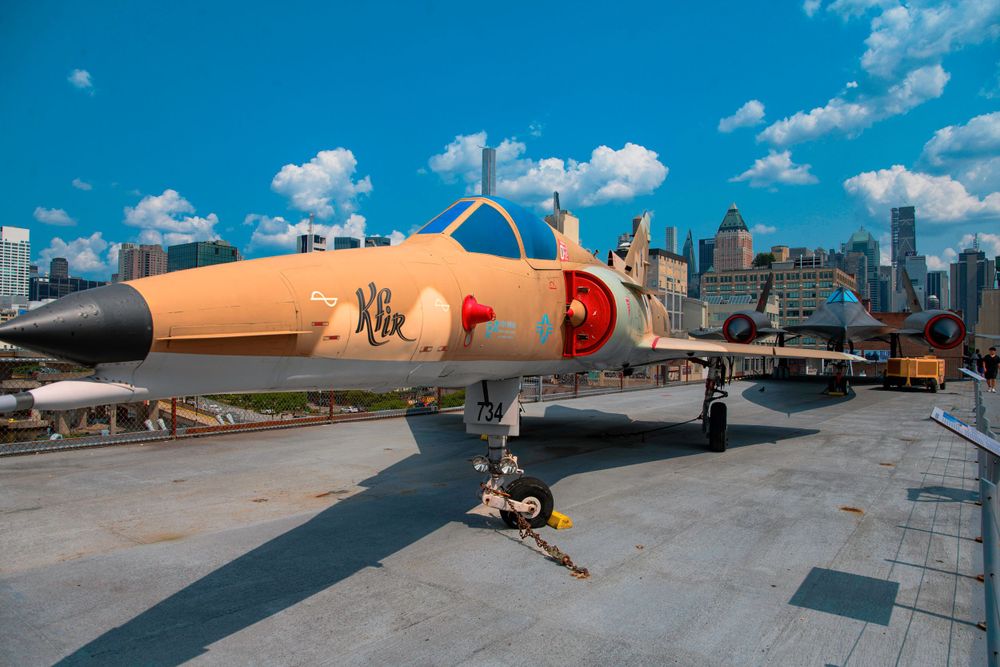
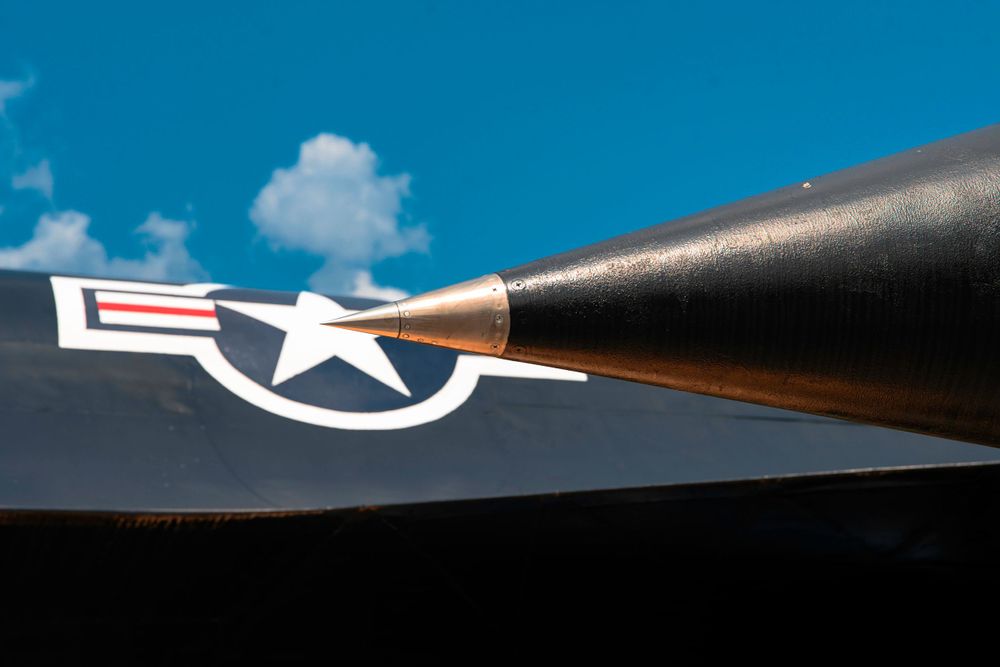
The Intrepid Museum's collection of Navy planes is a treasure trove of aviation history, with some truly fascinating aircraft on display. One standout is the Grumman F-14 Tomcat, famous for its role in the "Top Gun" film and its advanced radar-guided missile system, making it a formidable dogfighter. Another intriguing aircraft is the Lockheed A-12 Blackbird, the precursor to the SR-71, designed for high-altitude reconnaissance missions during the Cold War. This plane could fly at over three times the speed of sound, reaching altitudes of 85,000 feet, allowing it to outrun any threat. The sheer engineering brilliance behind these aircraft, combined with their historical significance, makes them captivating subjects for photography.
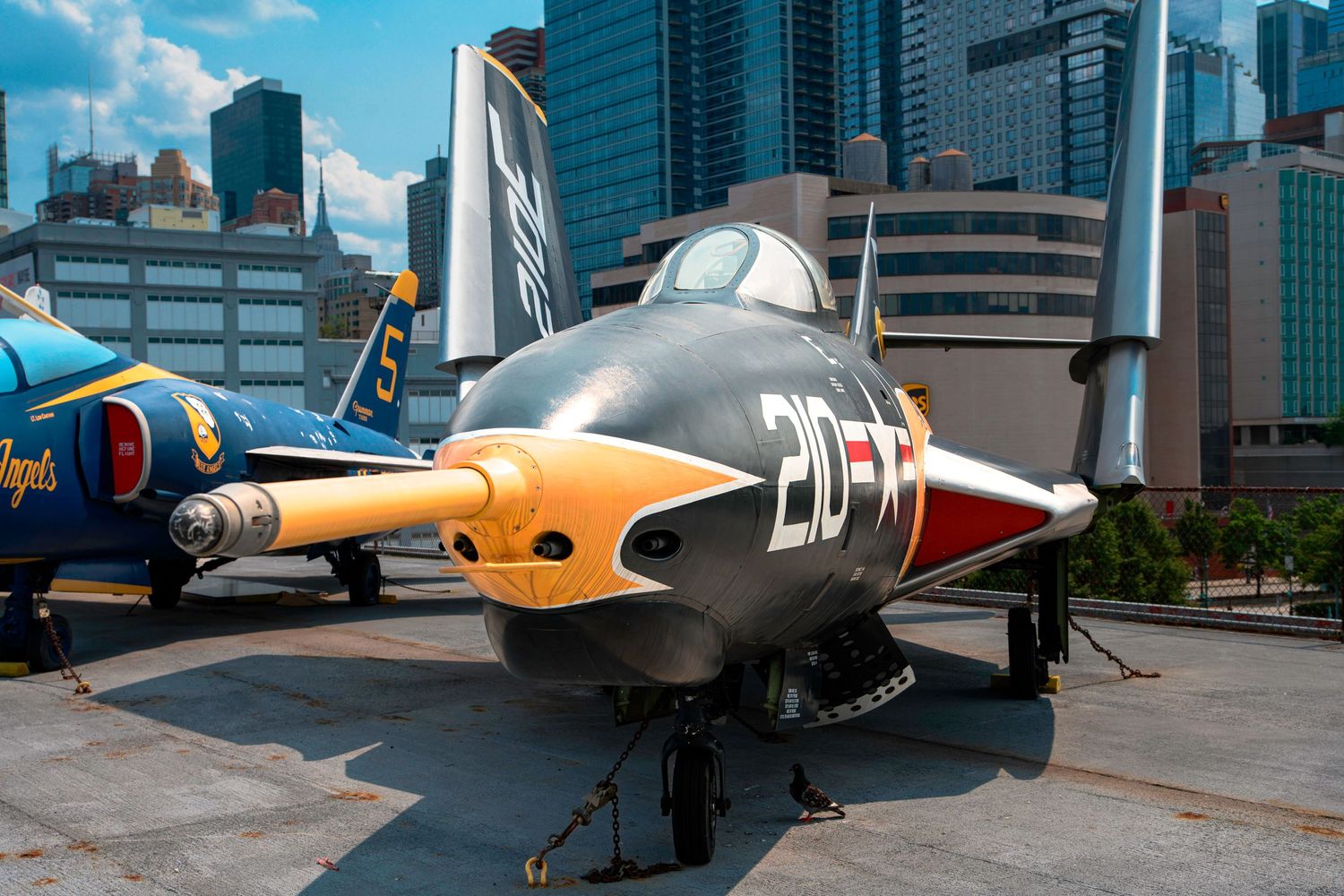
Grumman F9F Cougar
The Grumman F9F Cougar was a pivotal U.S. Navy jet fighter introduced in the early 1950s as an upgraded, swept-wing version of the Panther. Renowned for its enhanced speed and agility, the Cougar played a crucial role during the transition from propeller-driven aircraft to jets. It was primarily used for carrier-based operations, showcasing the Navy's increasing reliance on jet technology during the Cold War era. Though it saw limited combat, the Cougar was instrumental in pilot training and tactical development, making it a significant part of naval aviation history.
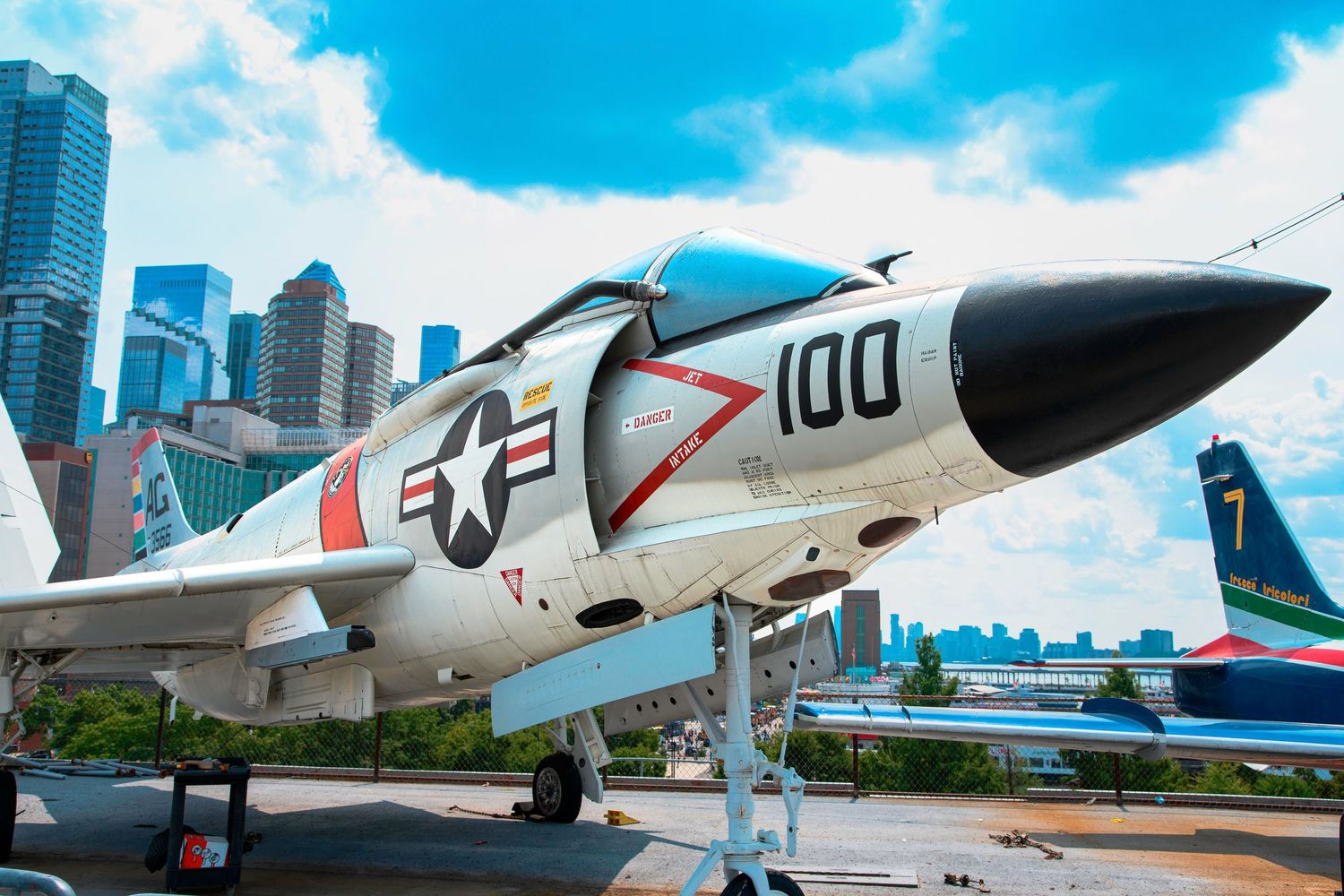
McDonnell f3h demon
The McDonnell F3H Demon was a carrier-based jet fighter developed for the U.S. Navy in the 1950s. Designed as an all-weather interceptor, the Demon was the first Navy jet to be equipped with radar-guided missiles. Although it faced several challenges due to its underpowered engine, leading to limited operational success, the F3H paved the way for its successor, the renowned F-4 Phantom II. Despite its shortcomings, the Demon marked a significant step in the evolution of naval aviation, particularly in the development of air-to-air missile technology.
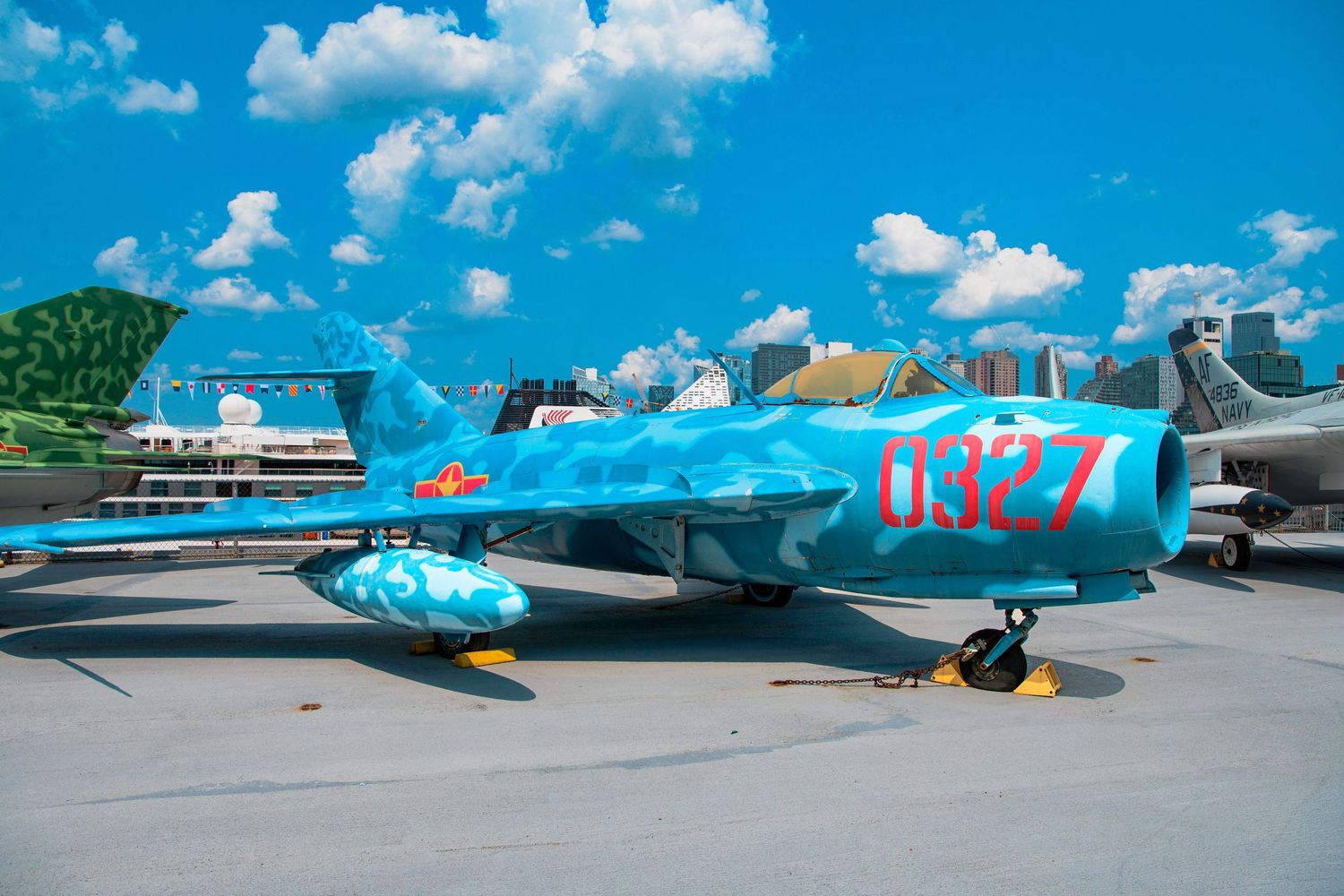
Mikoyan-Gurevich MiG-17
The Mikoyan-Gurevich MiG-17 is a Soviet jet fighter developed in the 1950s. Building on the success of the MiG-15, it features a swept-wing design for improved speed and maneuverability. Powered by the Klimov VK-1 engine, it can reach speeds up to 1,070 km/h (665 mph) and has a service ceiling of about 16,000 meters (52,500 feet). Armed with cannons and capable of carrying rockets and bombs, the MiG-17 saw widespread use in various conflicts, including the Korean and Vietnam Wars. Its design and performance made it a notable aircraft in Soviet aviation history.
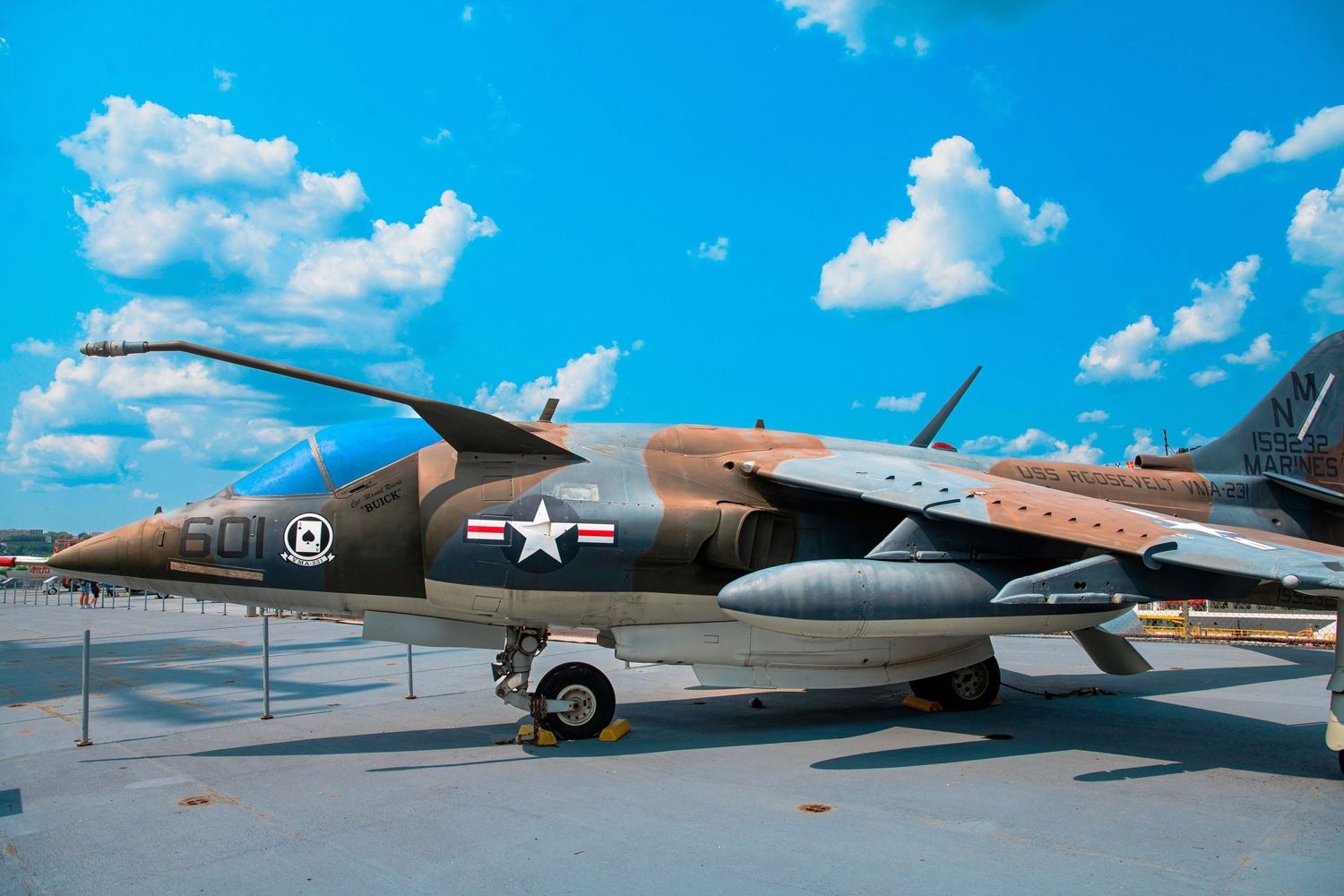
McDonnell Douglas AV-8C Harrier VTOL
The McDonnell Douglas AV-8C Harrier is a U.S. Navy and Marine Corps version of the British-designed Harrier jet. It features vertical takeoff and landing (VTOL) capabilities, allowing it to operate from short runways and ships. Powered by the Rolls-Royce Pegasus engine, the AV-8C can reach speeds of about 540 mph (870 km/h) and carry a variety of weapons, including bombs, rockets, and missiles. Its unique design made it valuable for versatile roles in combat and amphibious operations.
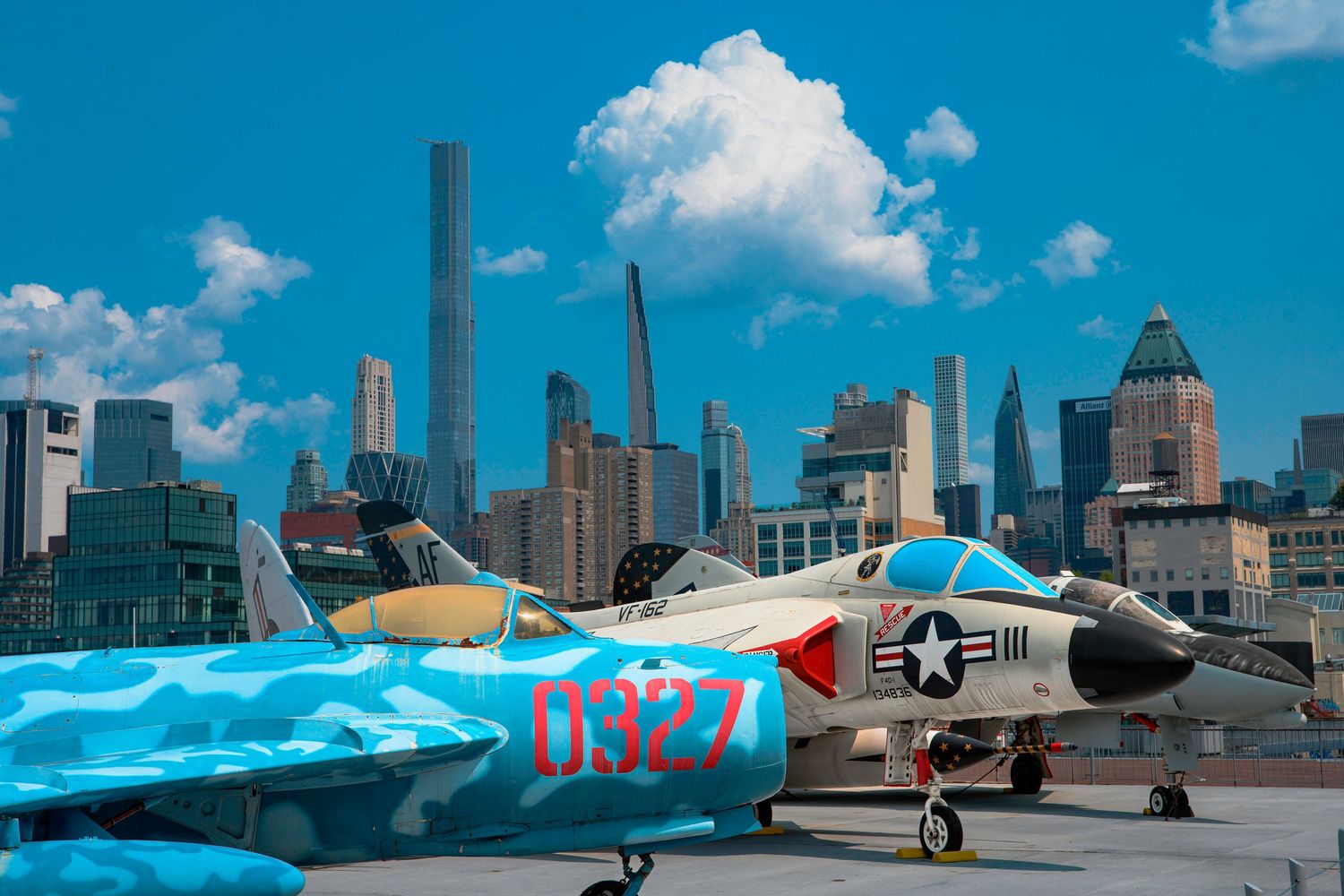
National Aviation Day.
National Aviation Day, celebrated on August 19th, is a special occasion dedicated to recognizing and honoring the remarkable achievements and advancements in the field of aviation. Established in 1939 by President Franklin D. Roosevelt to mark the birthday of Orville Wright, one of the Wright brothers who pioneered the first successful powered flight, this day serves as a tribute to the transformative impact of aviation on our world.
From the Wright brothers' historic 1903 flight at Kitty Hawk to today's cutting-edge technology in commercial and military aviation, National Aviation Day highlights the incredible progress made in air travel. It’s a day to reflect on the milestones in aviation history, including the development of jet engines, the advent of space exploration, and the evolution of aircraft design.
The day is also an opportunity to inspire future generations by celebrating the contributions of aviators, engineers, and innovators who have pushed the boundaries of what’s possible in the skies. Whether through educational events, airshows, or simply taking a moment to appreciate the freedom and connectivity that modern aviation provides, National Aviation Day underscores the vital role aviation plays in connecting people and advancing global progress.
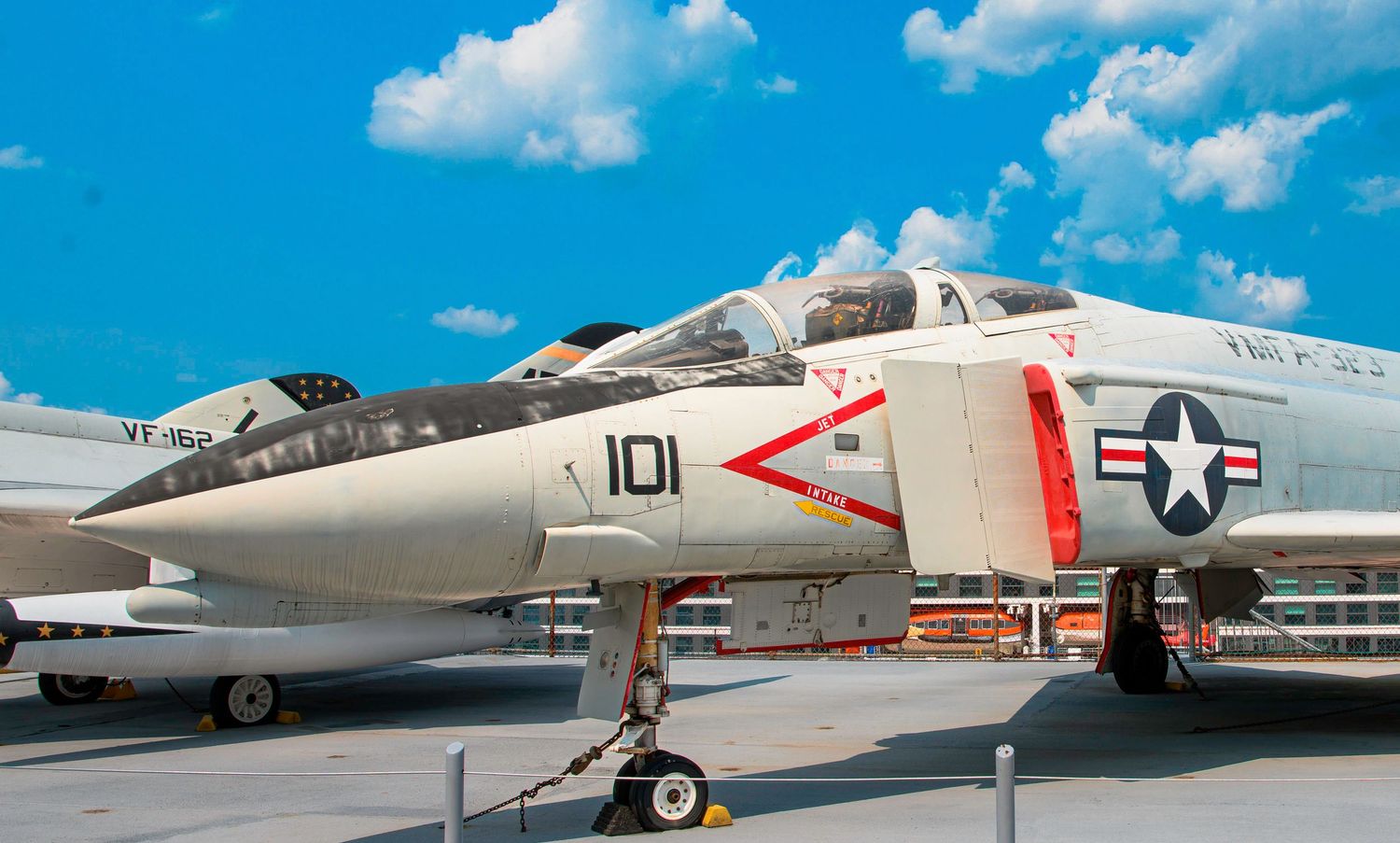
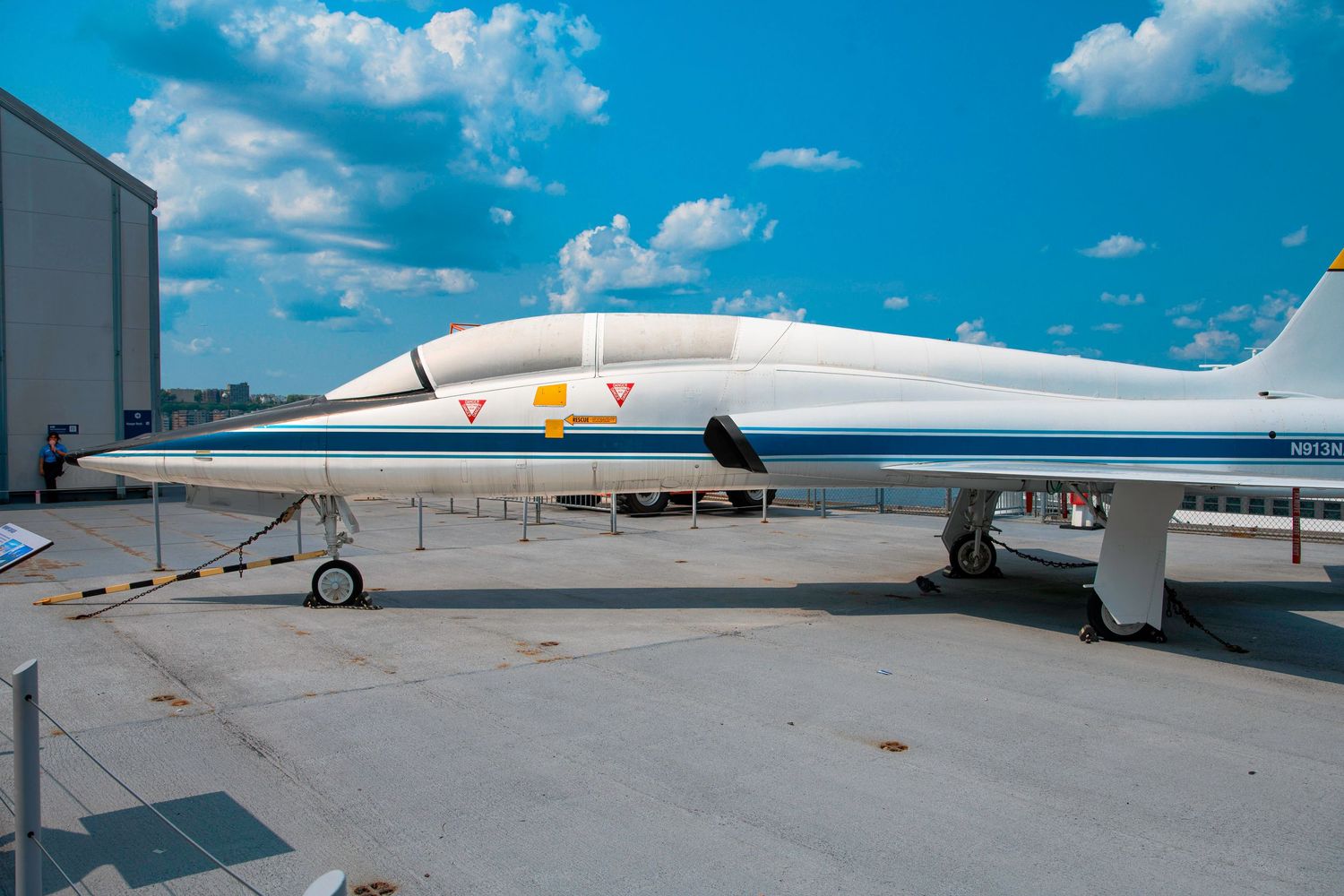
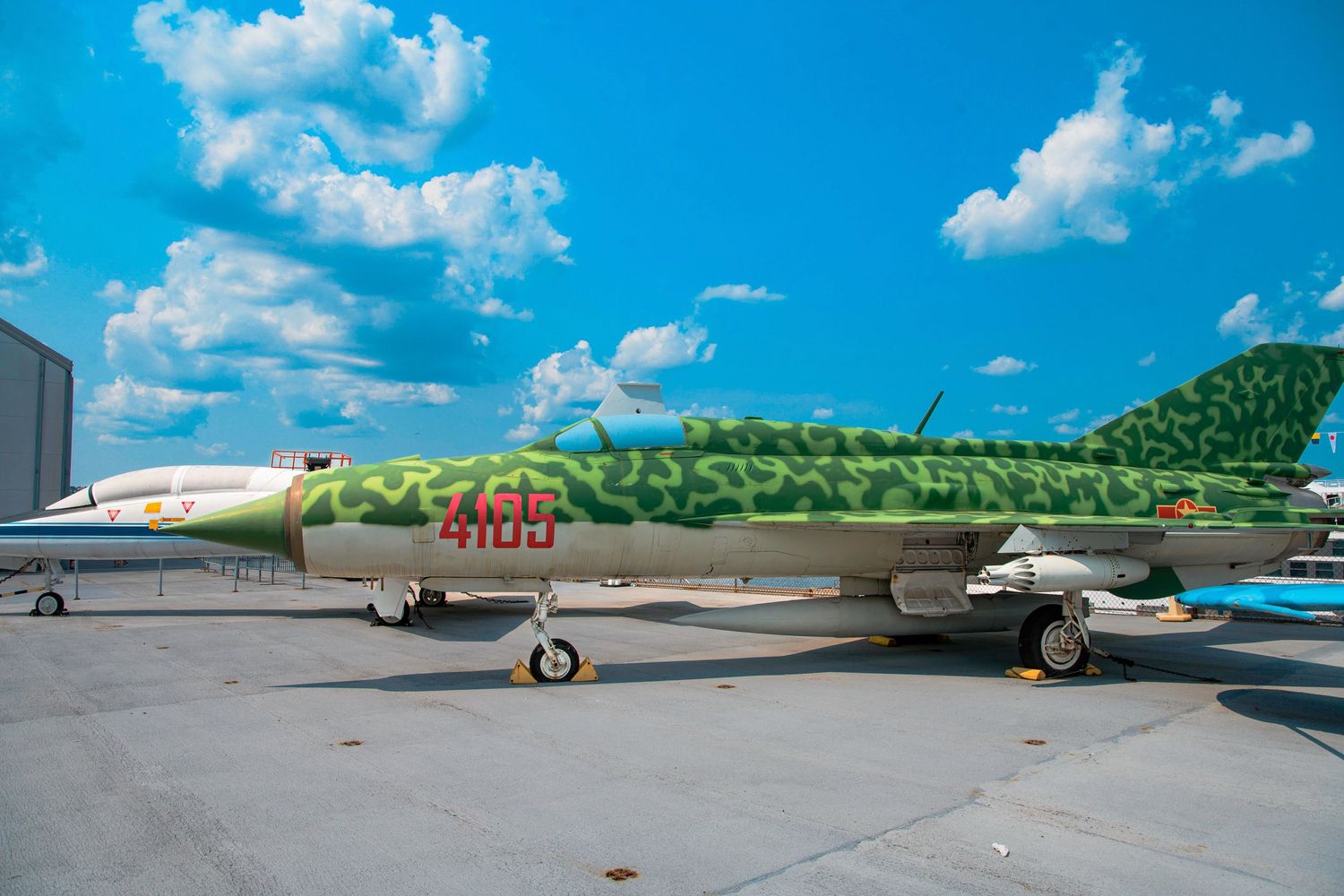
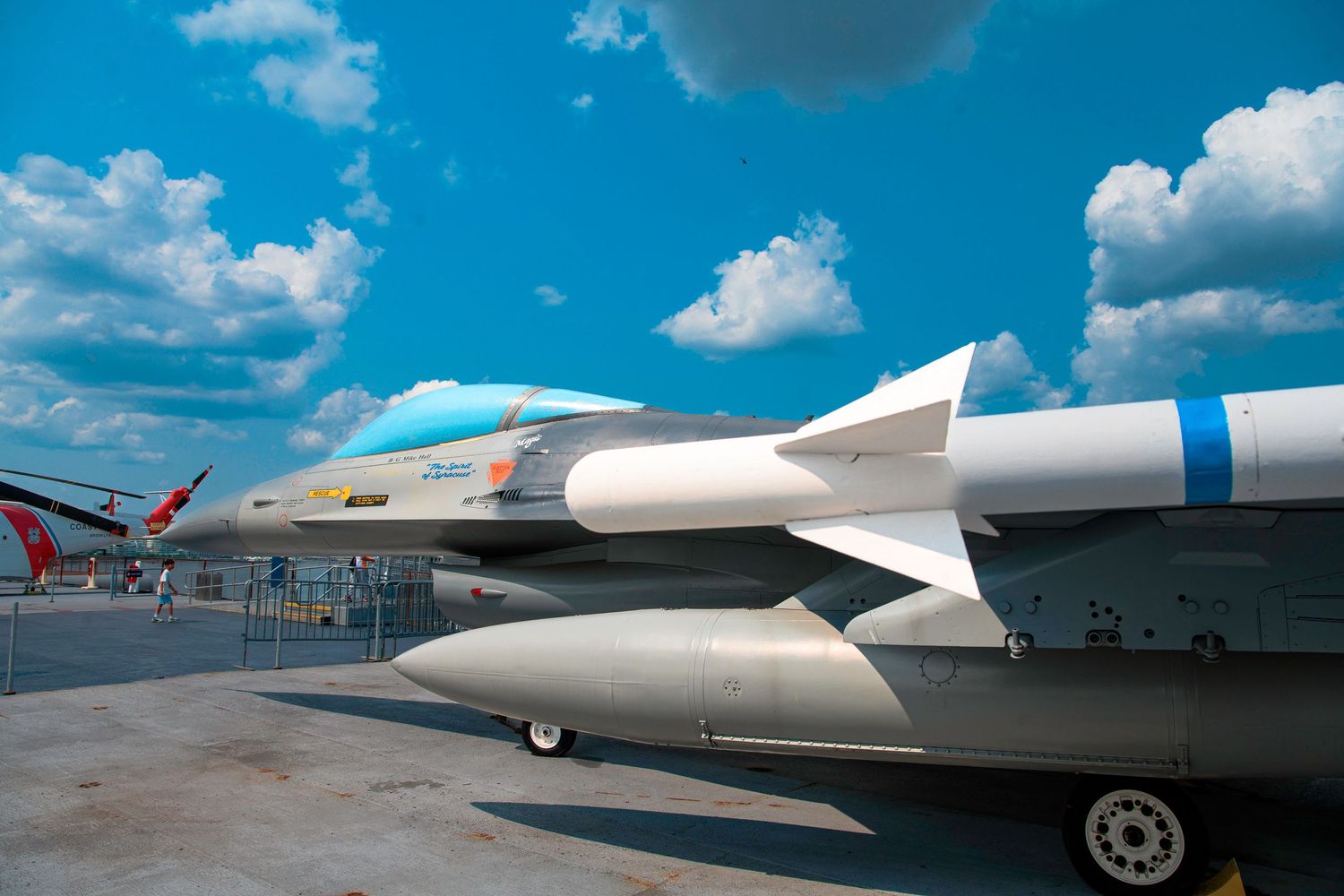
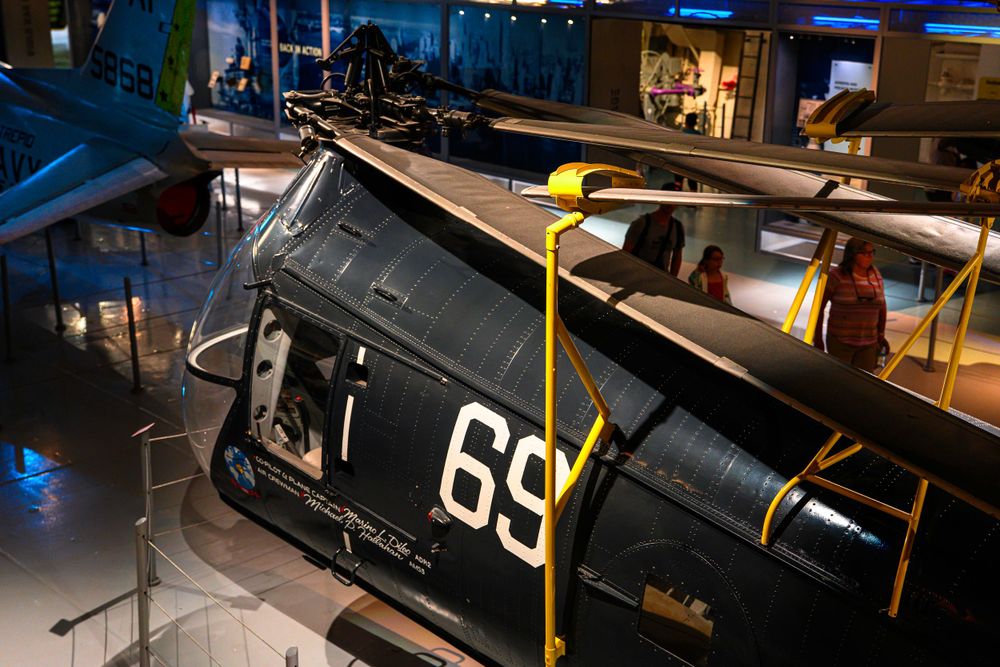
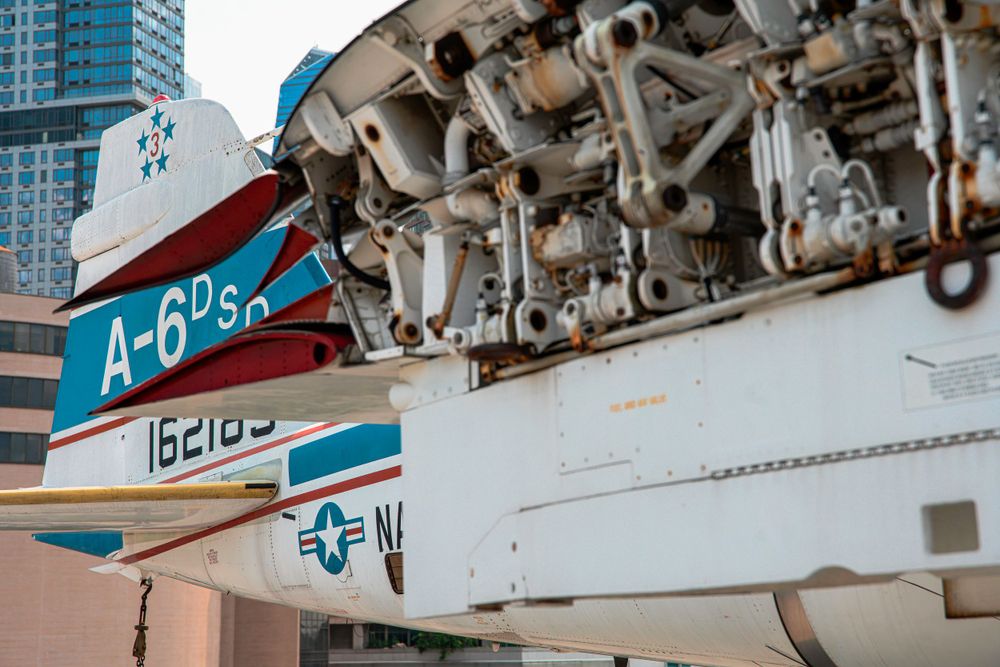
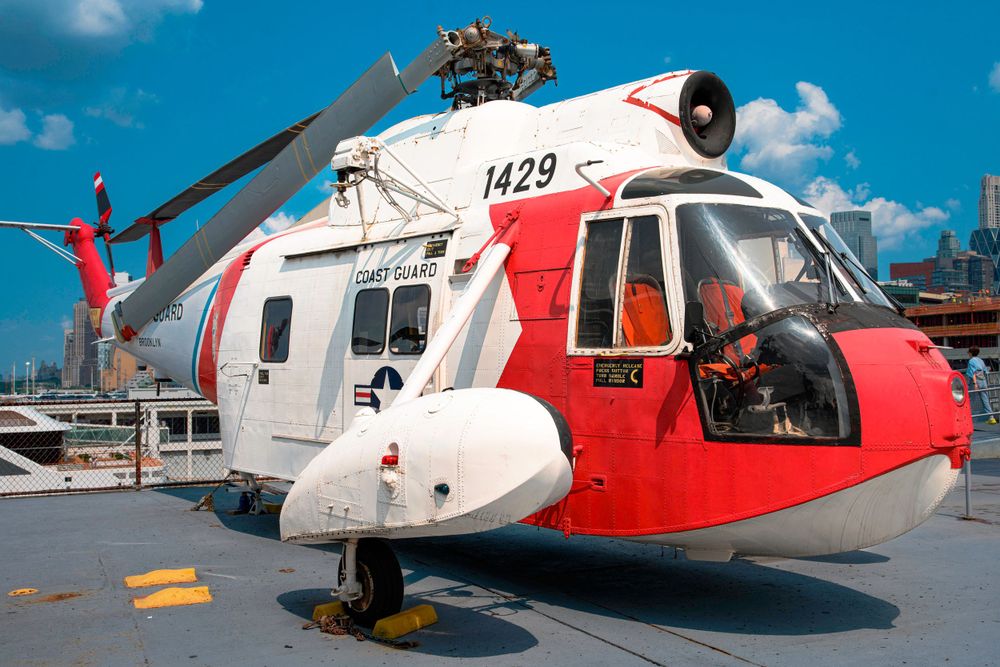
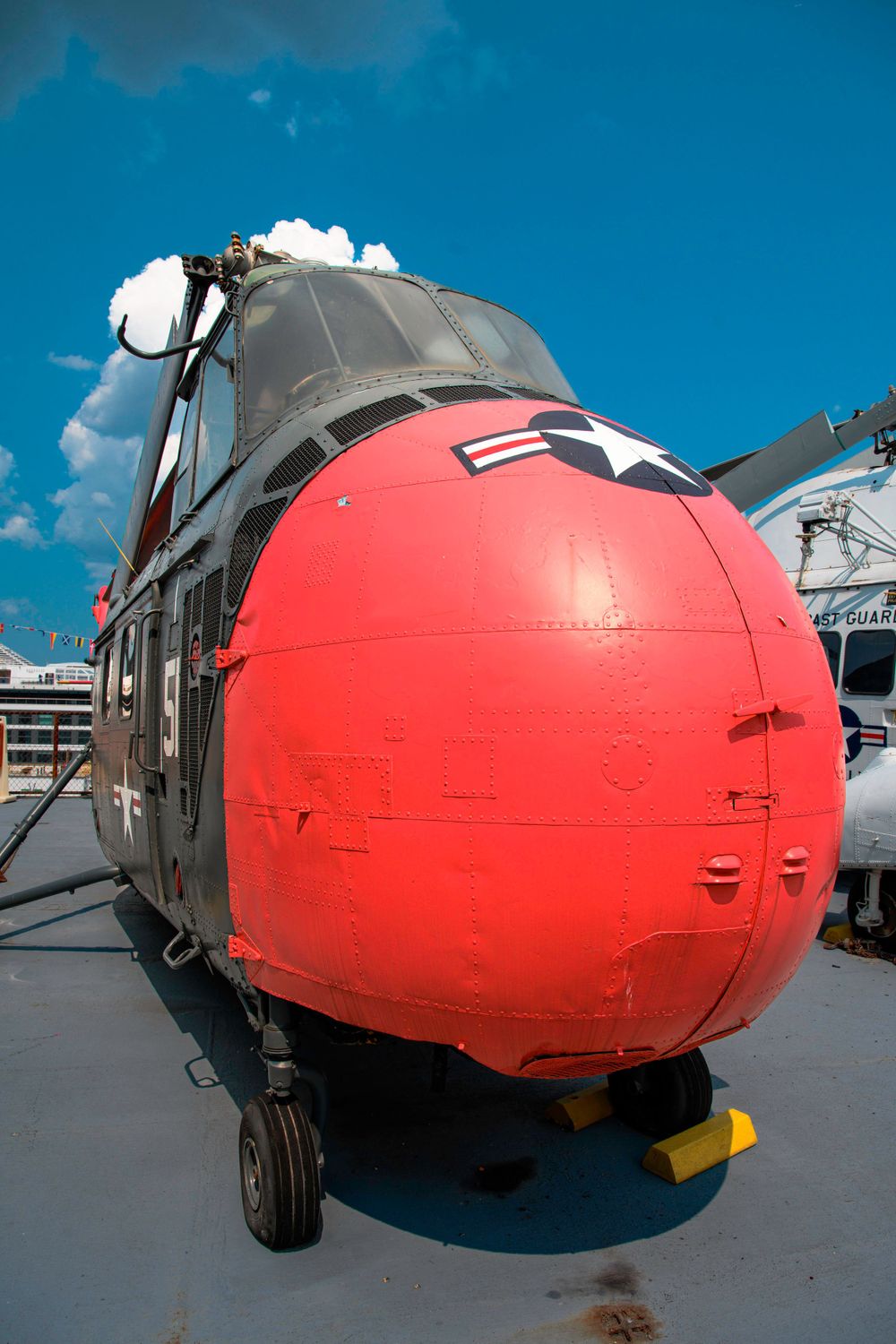
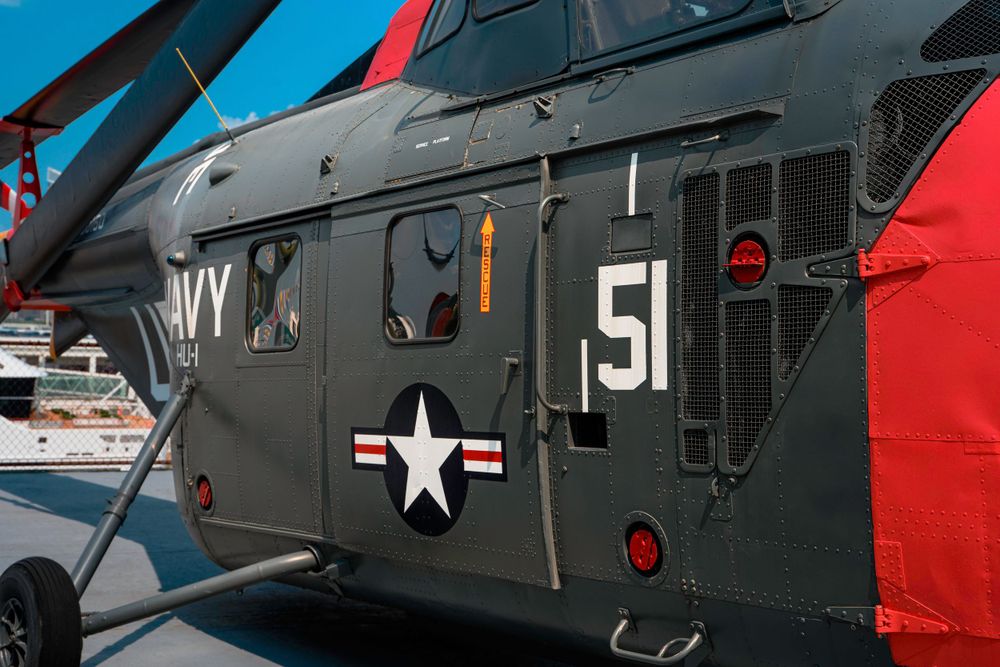
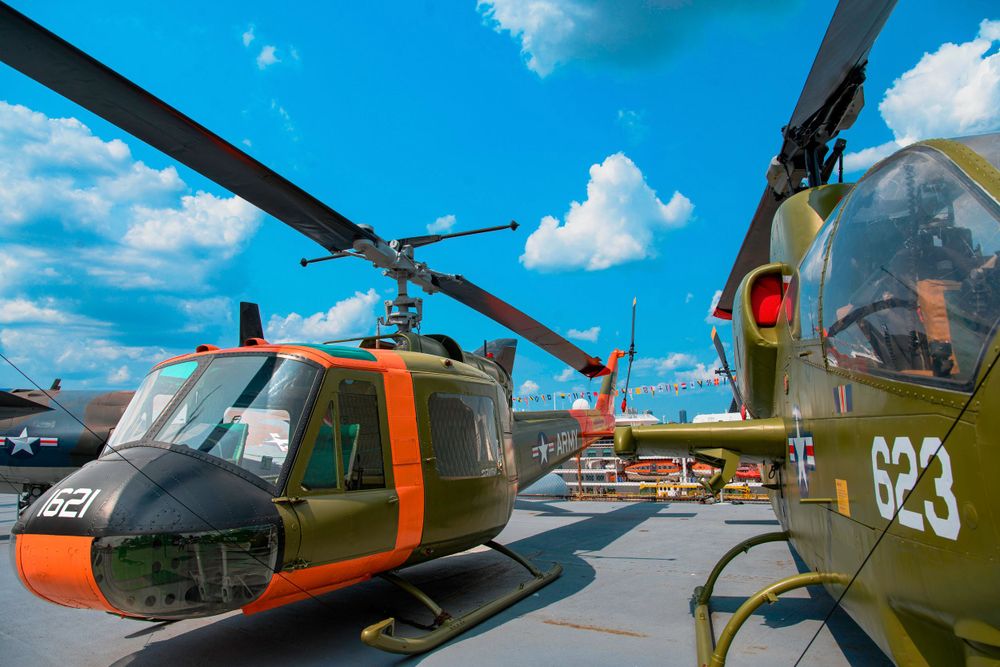
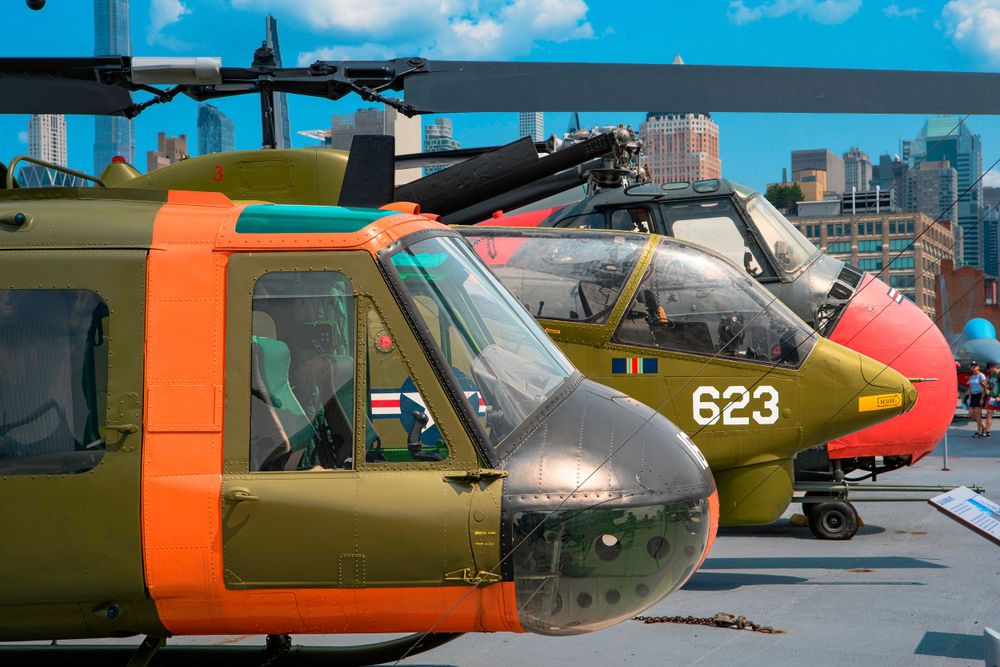
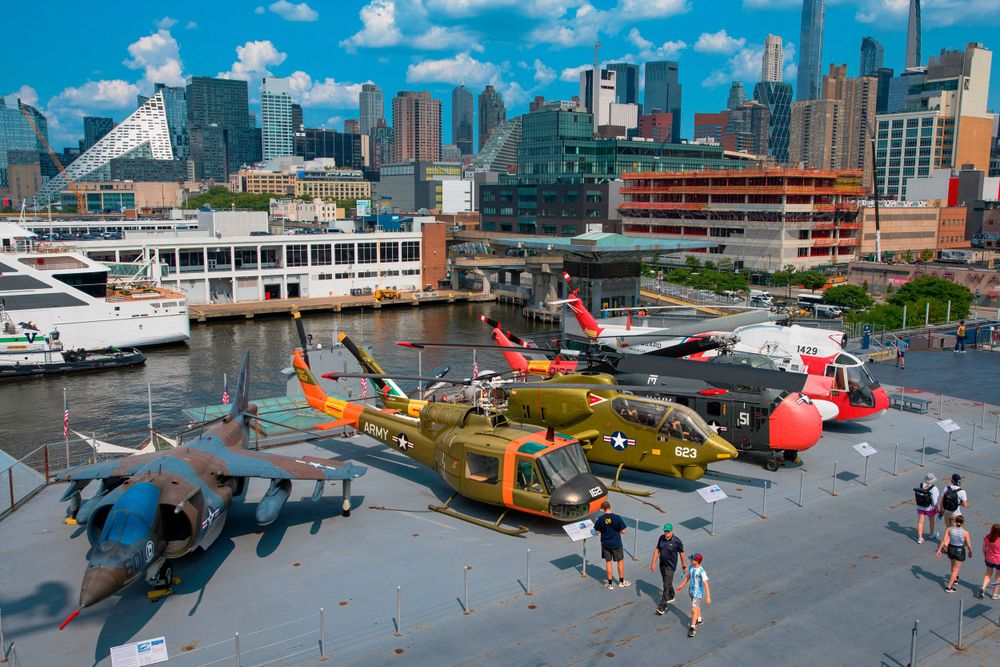
Classics NAVY Planes Collection.
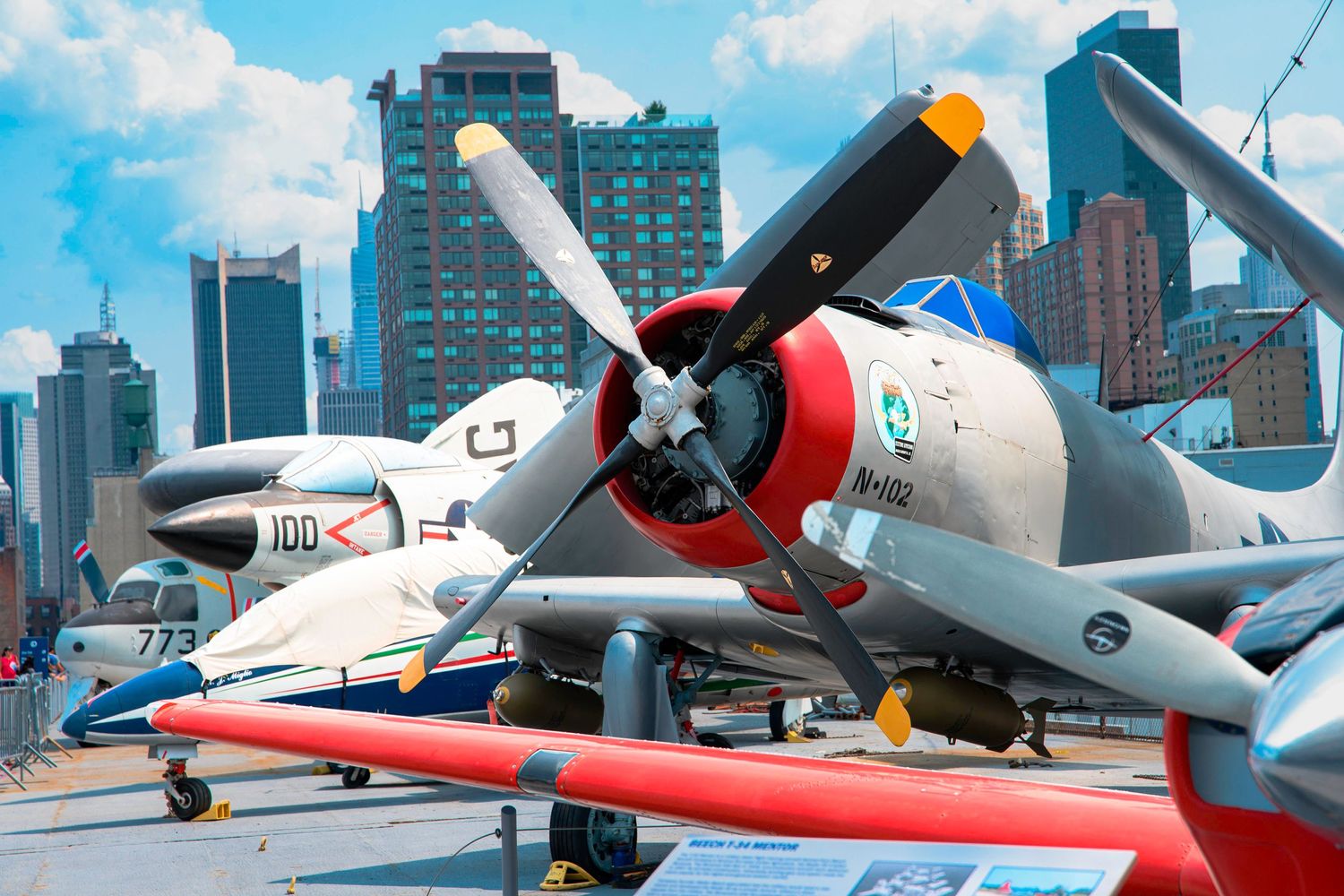
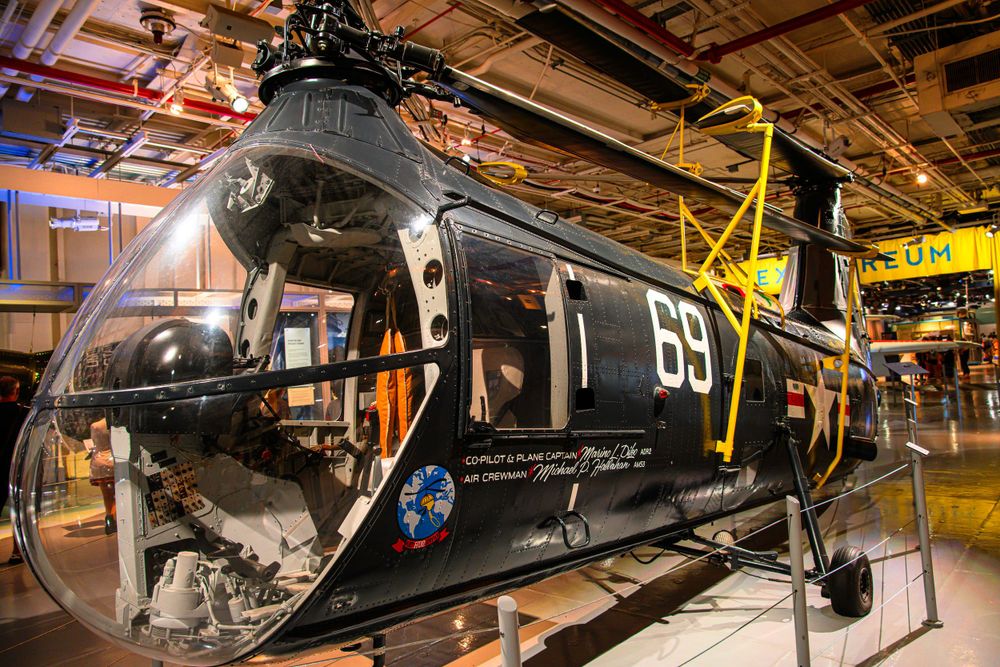
The Concorde Plane Tour.
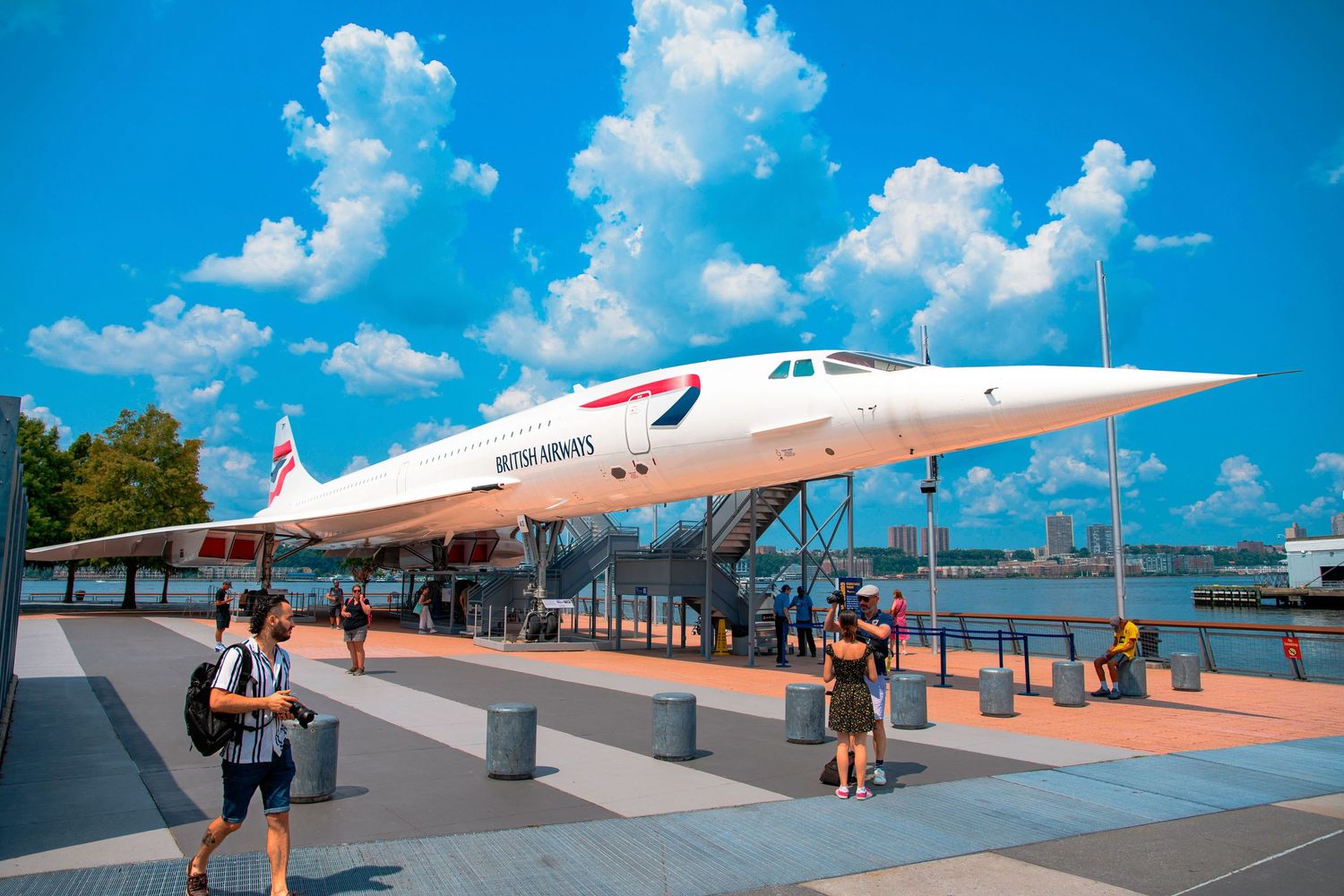
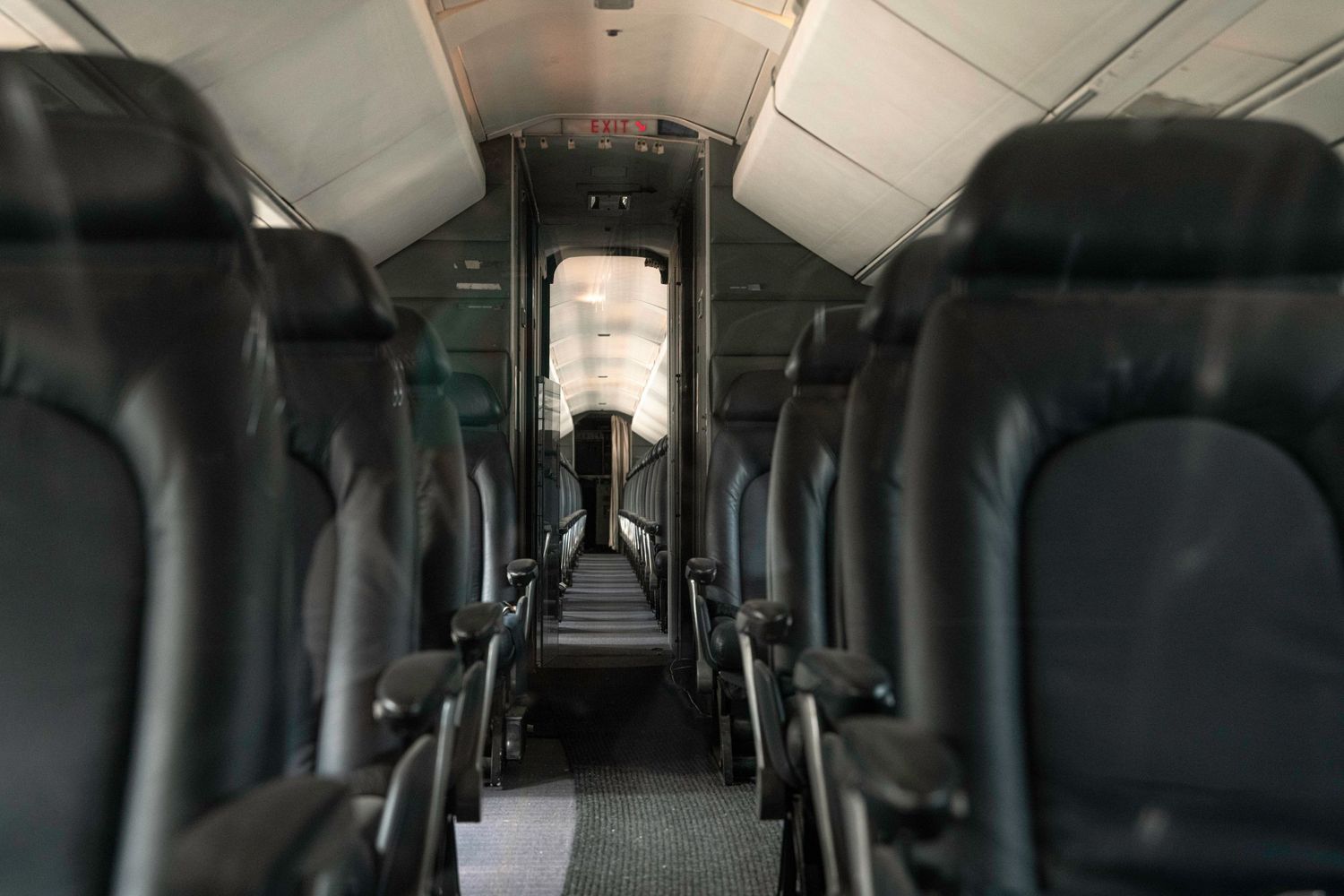
One of the most memorable parts of my visit was the tour inside the Concorde Supersonic Plane. Walking through this aircraft felt like stepping into a time capsule of luxury travel. The cabin was filled with spacious, first-class seats—all sleek black leather—and it was clear that this plane was built for those who enjoyed the finer things in life. Imagine flying across the Atlantic in just a few hours, sipping on the finest wine and dining on gourmet meals. The experience was designed for the elite, and you could feel the exclusivity in every detail.
But as luxurious as the Concorde was, it wasn’t meant to last. Despite its unmatched speed and elegance, the flights weren’t financially sustainable, leading to the plane’s retirement in 2003. Still, being able to walk through this piece of aviation history was something I won’t soon forget.
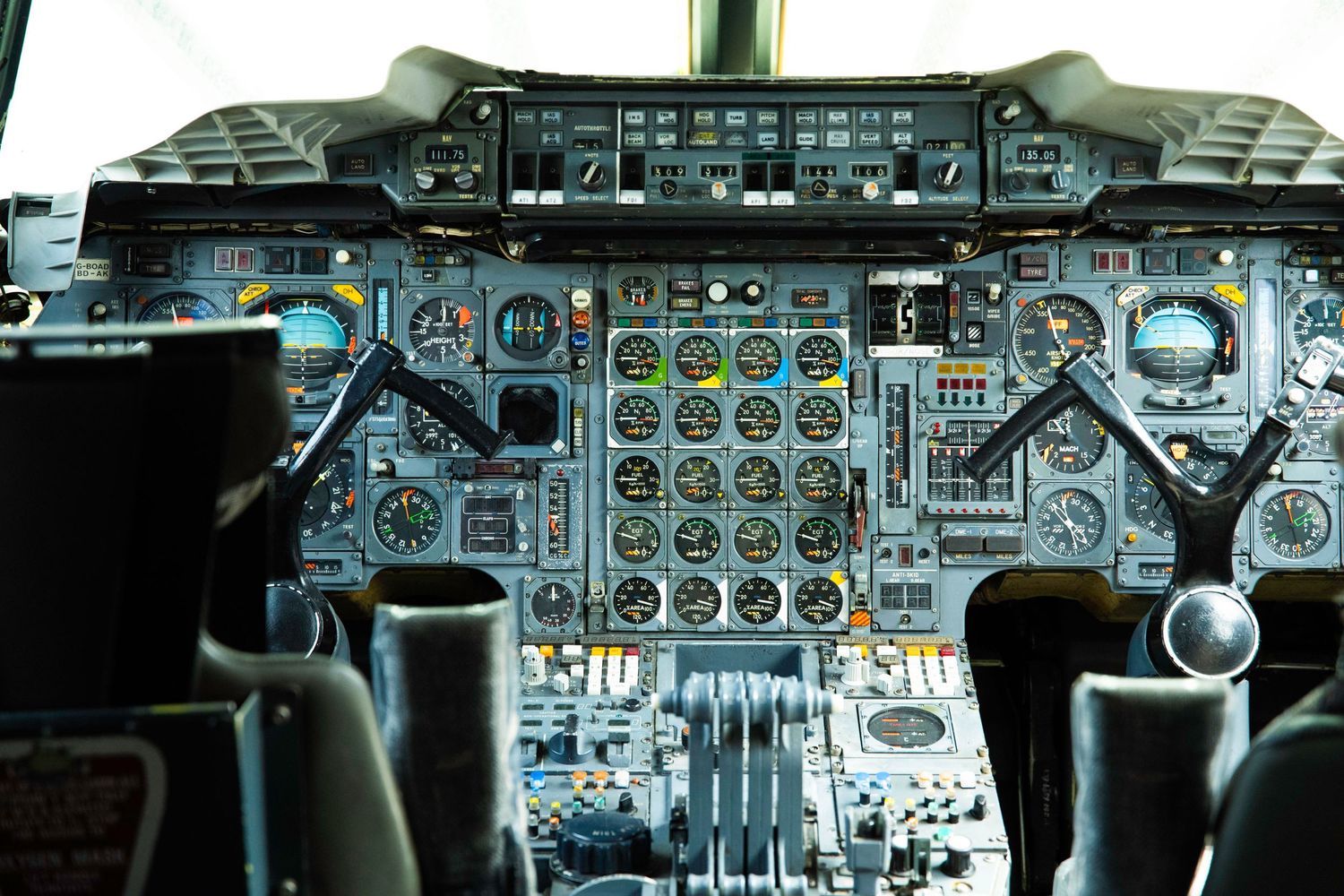
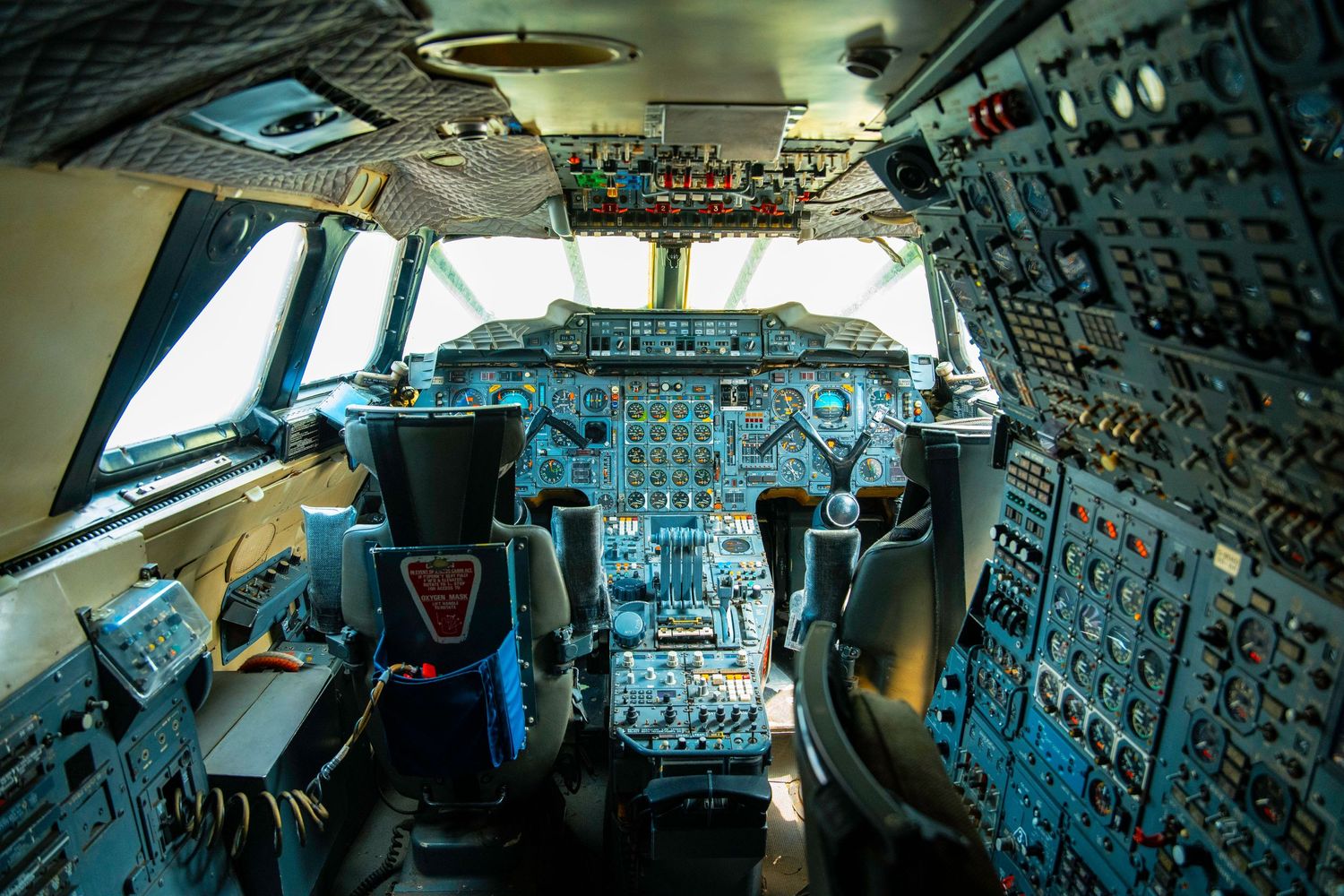
Overall, the Intrepid Museum exceeded my expectations. For a photographer, it’s a treasure trove of visual stories waiting to be told. Whether it's the classic jets or the iconic Concorde, each exhibit offers a unique opportunity to capture the essence of aviation history.
If you’re looking for a place to explore, reflect, and, of course, take some incredible photos, the Intrepid Museum is a must-visit.